


Volkswagen Rethinks Strategy as Tariffs Upend the Playbook
For decades, Volkswagen Group’s North American strategy was built on a clear cost advantage: manufacturing vehicles in Mexico and exporting them to the United States. That model is now under serious pressure.
According to a report from Automotive News Europe, with U.S. tariffs on Mexican-built vehicles reaching as high as 27.5%, the economics that once justified cross-border production are rapidly eroding. Volkswagen exports roughly 70% of its Mexican output to the U.S., while Audi sends up to 90% of its production north or to other global markets, leaving both brands highly exposed.
The financial consequences are already material. The report continued that CFO Arno Antlitz confirmed that tariffs imposed throughout most of 2025 added $3.3 billion in costs. CEO Oliver Blume has been blunt in his assessment, stating that exporting vehicles from Mexico to the U.S. is no longer economically viable under current conditions. The result is a tangible hit to performance, with VW’s U.S. sales falling 12% last year and its market share stuck at around 4%.
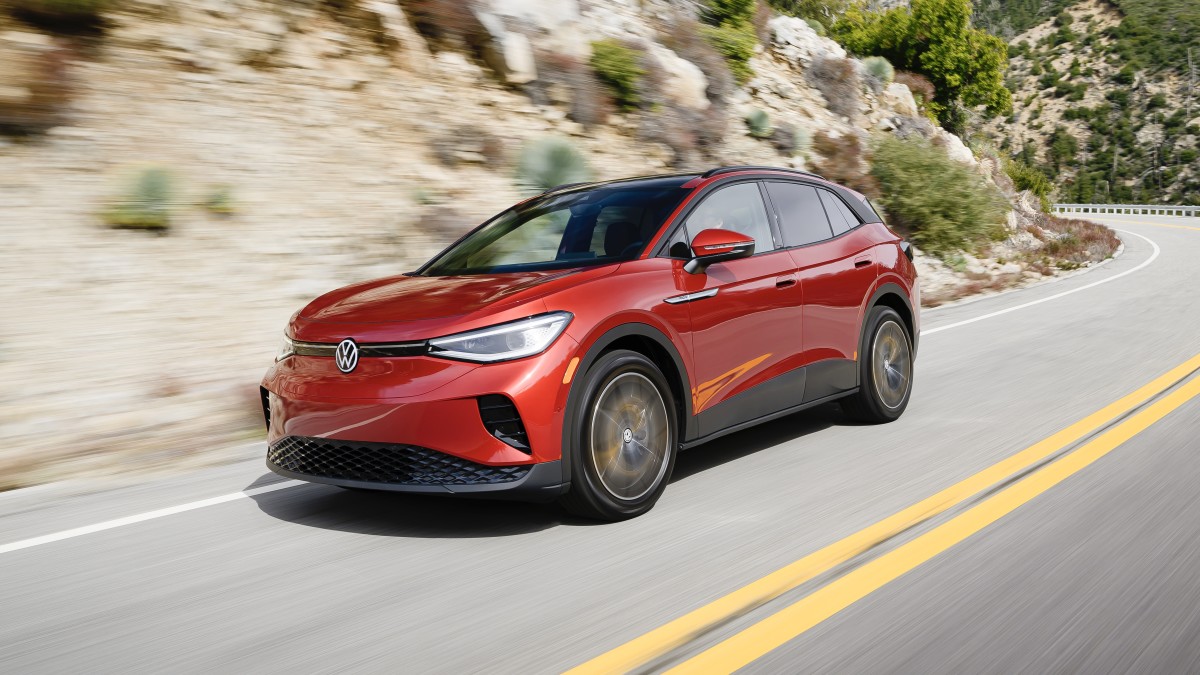
Volkswagen
Cost Pressures Mount as VW Weighs U.S. Production Shift
Volkswagen now finds itself in a strategic bind. The very supply chain that was optimized under NAFTA, and later USMCA, is being undermined by tariff policy designed to force localization. Moving production to the United States could mitigate tariff exposure, but it comes with steep upfront costs and long lead times. Blume has made it clear that the company will not commit billions to new U.S. factories while simultaneously absorbing tariff penalties.
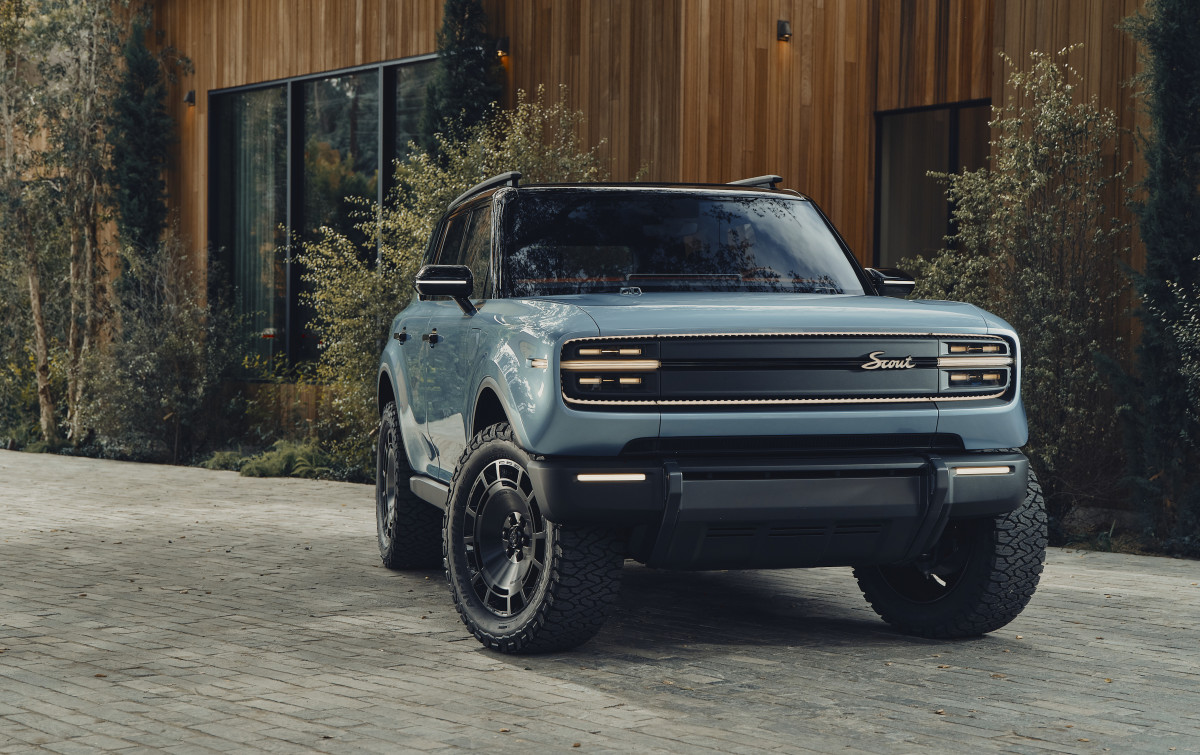
Complicating matters further, Volkswagen is already under broader financial strain. Reports indicate the automaker is targeting up to 20% in cost reductions across its global operations, while profits have sharply declined, prompting potential job cuts that could reach tens of thousands. Industry-wide, tariffs have reportedly cost automakers more than $35 billion since 2025, underscoring the scale of disruption. Even new Volkswagen investments like Scout Motors’ upcoming U.S. plant in South Carolina won’t provide near-term relief, as production there is still years away.

Buyers May Ultimately Pay the Price
Volkswagen’s dilemma highlights a fundamental shift in global automotive economics. For decades, automakers relied on geographic cost advantages, such as lower labor costs, established supplier bases, and favorable trade agreements, to keep vehicle prices competitive. Tariffs disrupt that equation. If production is forced back into higher-cost regions like the United States, those added expenses don’t simply disappear; they move down the value chain.
That means consumers are likely to feel the impact. Volkswagen has already seen U.S. profitability take a significant hit, and if tariffs remain entrenched, pricing pressure will inevitably follow. The reality is that manufacturing outside the U.S. has long been about cost efficiency. Remove that advantage, and the burden shifts. Whether through higher sticker prices, reduced incentives, or fewer model offerings, buyers will ultimately absorb the consequences of a supply chain being reshaped by politics rather than pure economics.


There are no reviews to display.