




A major power outage in San Francisco turned Waymo’s driverless fleet into rolling roadblocks, as the company’s autonomous cars encountered dark intersections, stopped, and then mostly refused to move.
The vehicles didn’t lose power or crash their software, but they did fall back into such a cautious fail-safe mode that they effectively “bricked” themselves in live traffic, forcing Waymo to suspend service while crews worked to clear the streets.
Riley Walz
A power outage in San Francisco caused autonomous cars to just freeze wherever they were.
Apparently, Waymo engineers never thought to include a basic “pull over and park” fail-safe. 🤦🏽♀️
[image or embed]— Aalia Mauro (@aaliamauro.bsky.social) 21 December 2025 at 17:51
View the original article to see embedded media.
How A Blackout Turned Robotaxis Into Roadblocks
The chain reaction started when a substation fire triggered a large-scale blackout, knocking out power to traffic lights across big chunks of the city. Waymo’s cars are programmed to treat dark signals like four-way stops and, in some cases, request remote “confirmation” from human supervisors before proceeding. In normal operations, that remote layer is meant to be a safety net.
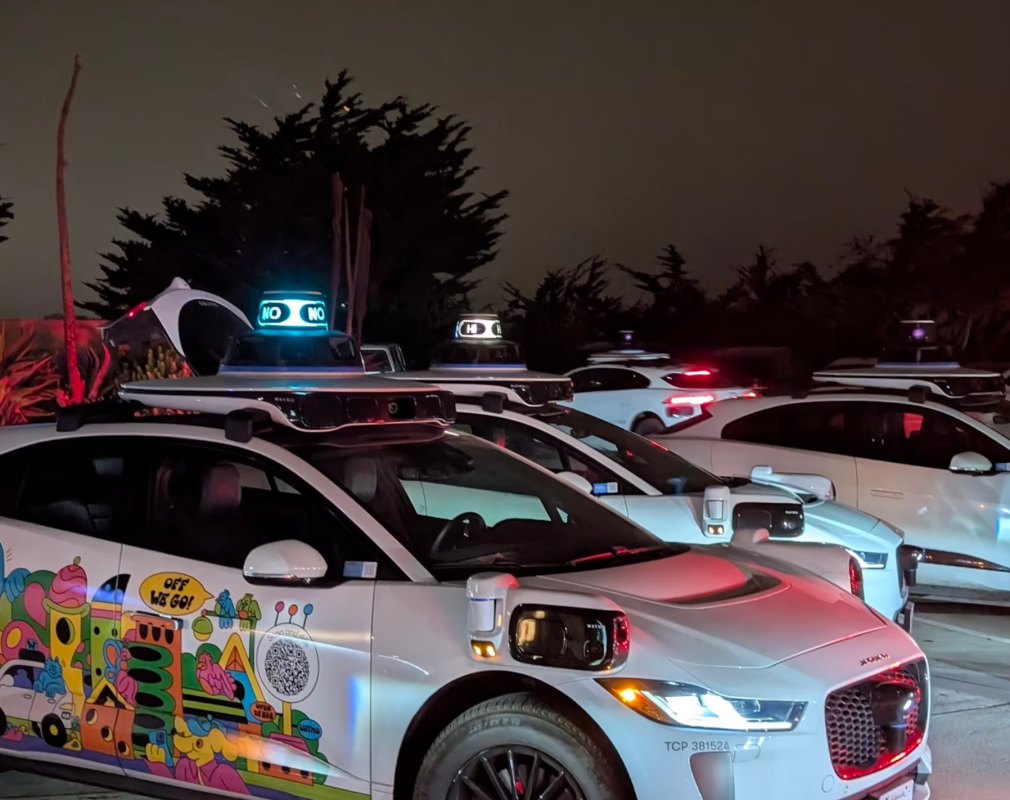
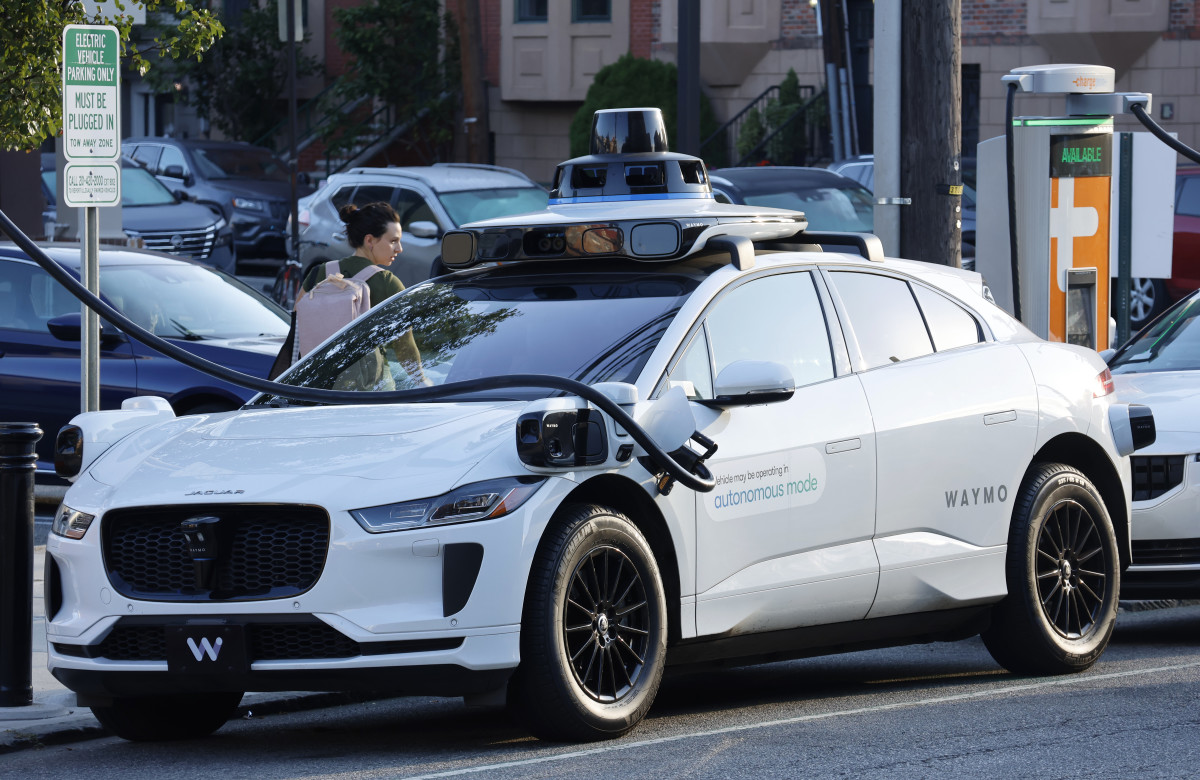
During the outage, thousands of signals went dark at once, generating an enormous spike in requests for human review. The assistance pipeline couldn’t keep up, so cars simply waited, and waited, in intersections and travel lanes for approvals that arrived too slowly or not at all. On the ground, that looked like clusters of driverless Jaguars sitting motionless with their hazard lights on, sometimes stacked nose-to-tail and blocking buses, cross traffic and turning lanes. For nearby drivers and pedestrians, it felt less like cutting-edge AI and more like a fleet of very expensive bollards.
Getty Images
Waymo’s Explanation Fits A Pattern Of Safety Scrutiny
Waymo says the problem wasn’t that the software couldn’t handle a single dark intersection; the company points out its cars did navigate thousands of blackout-affected junctions correctly. Instead, it frames the failure as a systems issue: the outage created too many edge cases at once, overloading remote support and leaving vehicles stuck in conservative fail-safe logic. Waymo has promised software and operational changes so cars can recognize large-scale outages more intelligently and prioritize pulling over rather than sitting in the middle of junctions.
The blackout incident lands on top of existing safety scrutiny. Earlier this year, Waymo issued a software recall after its robotaxis had trouble around stopped school buses. There has also been a steady drumbeat of lower-speed scrapes and odd behaviors in San Francisco, from blocked emergency scenes to awkward interactions with cyclists and pets.
A Stress Test As Waymo Plans To Expand
The optics are awkward for a company that is actively pitching robotaxis as a practical replacement for a second car. Waymo has already laid out plans to expand its driverless service to additional markets. The San Francisco blackout exposed a different question: how resilient these systems are when infrastructure fails in ways that affect thousands of intersections at once.
Waymo’s response, pausing service, promising fixes, and working with regulators, suggests it understands the stakes. For city officials and riders, the blackout will be remembered as an early stress test of a technology that needs to handle not just everyday traffic, but also rare, messy, city-wide failures without turning into a fleet of stranded obstacles.


There are no reviews to display.