




Holding the Line
While automakers such as Hyundai are adjusting their production strategies to avoid the Trump administration’s tariffs on imported vehicles, Audi appears to be taking a more cautious approach. According to Germany’s Handelsblatt, Volkswagen Group CEO Oliver Blume said that plans to produce Audi vehicles in the United States are not progressing, citing ongoing financial challenges.
The possibility of U.S.-based Audi production has been discussed for years, particularly as the brand’s major German rivals, BMW and Mercedes-Benz, already operate manufacturing facilities in the U.S.
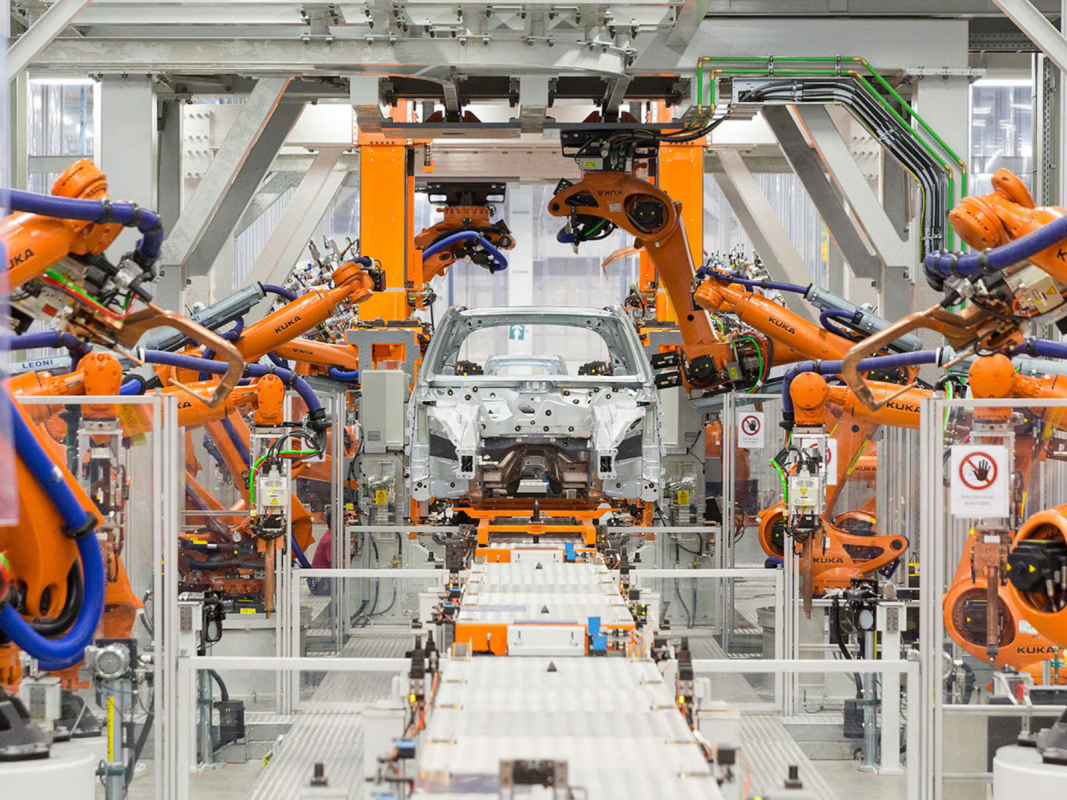
At present, Audi models bound for the U.S. market are built in Europe and Mexico, with the latter assembling the four-ring brand’s best-selling vehicle in the country, the Q5. As imports, they are exposed to the 25% tariff regime, which may not be fully passed on to consumers but could place sustained pressure on the company’s financial outlook over the long term.
The Road Not Taken
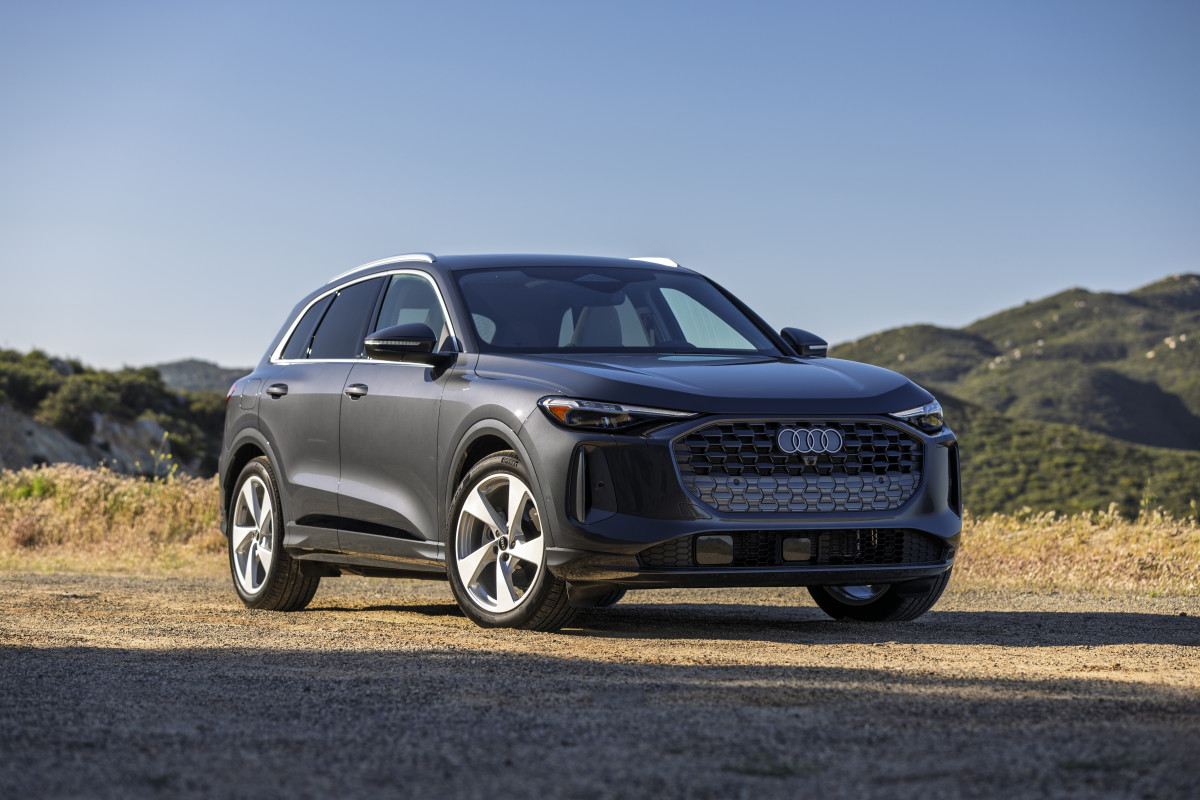
Audi was previously expected to tap into parent company Volkswagen’s U.S. manufacturing operations as a way to help offset the impact of the tariffs. At one point, the Q4 e-tron was rumored to be slated for production at Volkswagen’s plant in Chattanooga, Tennessee, while the Scout facility under development in South Carolina was also reportedly viewed as a potential option.
However, based on Blume’s latest remarks, it appears that none of those proposals has come to fruition. The company has reportedly held discussions with the Trump administration regarding possible subsidies, but to no avail.
“With the tariff burden unchanged, a large additional investment cannot be financed,” Blume told Handelsblatt, translated from German.
Market Share Under Pressure
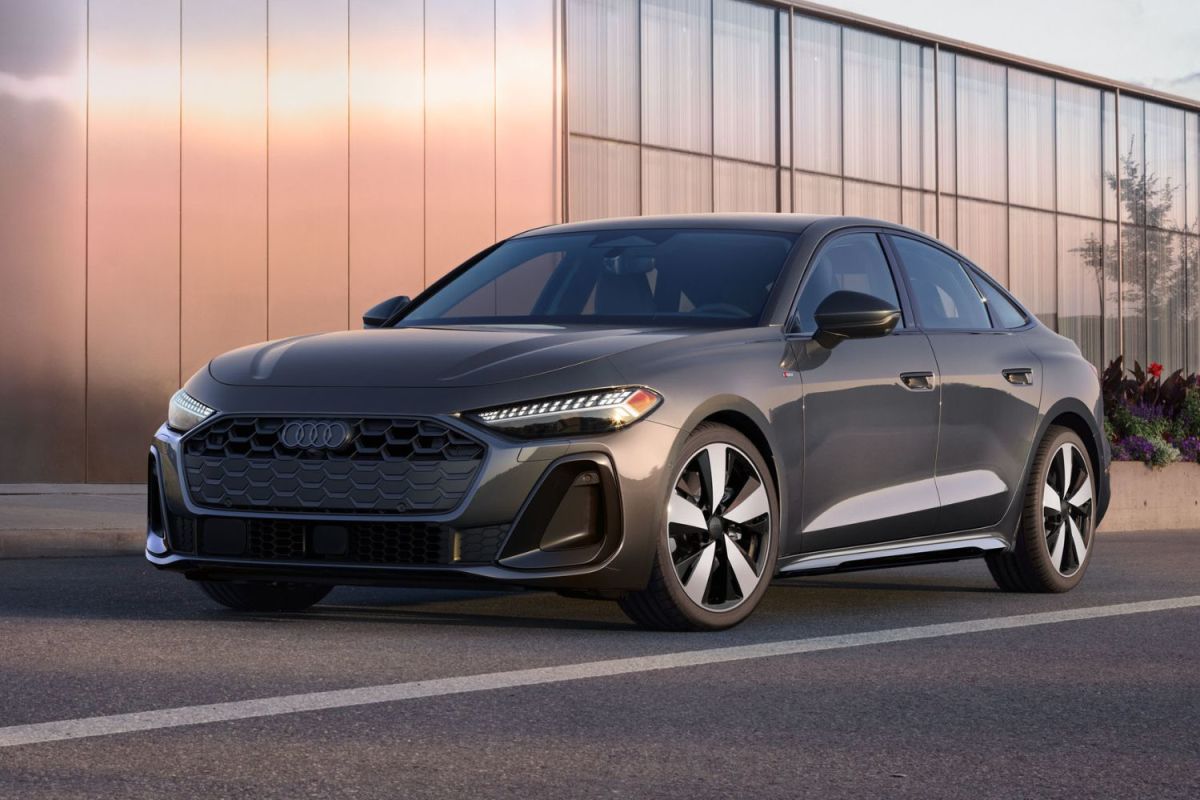
How Audi ultimately plans to navigate the hefty import tax remains unclear. However, the company has acknowledged that the U.S. remains one of its most important markets, alongside Europe and China, where it operates a substantial manufacturing network with facilities in locations such as Changchun and Foshan. In the U.S. alone, the brand offers an extensive lineup, ranging from the entry-level A3 sedan to the high-performance electric e-tron GT, putting greater focus on the potential consequences of recent regulatory changes.
From a sales perspective, Audi’s position in the U.S. has also looked dire. The automaker recorded another decline in 2025, delivering 164,942 vehicles, representing a 16 percent drop compared with the previous year. That contrast is particularly stark given that BMW sold 388,897 vehicles, roughly 85,000 more than Mercedes-Benz (minus the vans).
Audi


There are no reviews to display.