


For over a decade, the global automotive industry had committed to and invested in the battery electric vehicle concept. That narrative has now all but collapsed, confronted with fading consumer demand, volatile supply chains, and infrastructure bottlenecks. OEMs are now pulling capital out of the BEV fad and moving toward hydrogen and synthetic fuels.
Hyundai
What Does the Money Say?
The capital reallocation is significant, with Honda's investment in an independent hydrogen program for commercial and passenger vehicles following the end of its partnership with GM. Further, Toyota and Isuzuinking a partnership for commercial HFC (Hydrogen Fuel Cell) vehicle development, the heavyweights are signaling to the market that the margin-crushing battery electric model no longer convinces their board members.
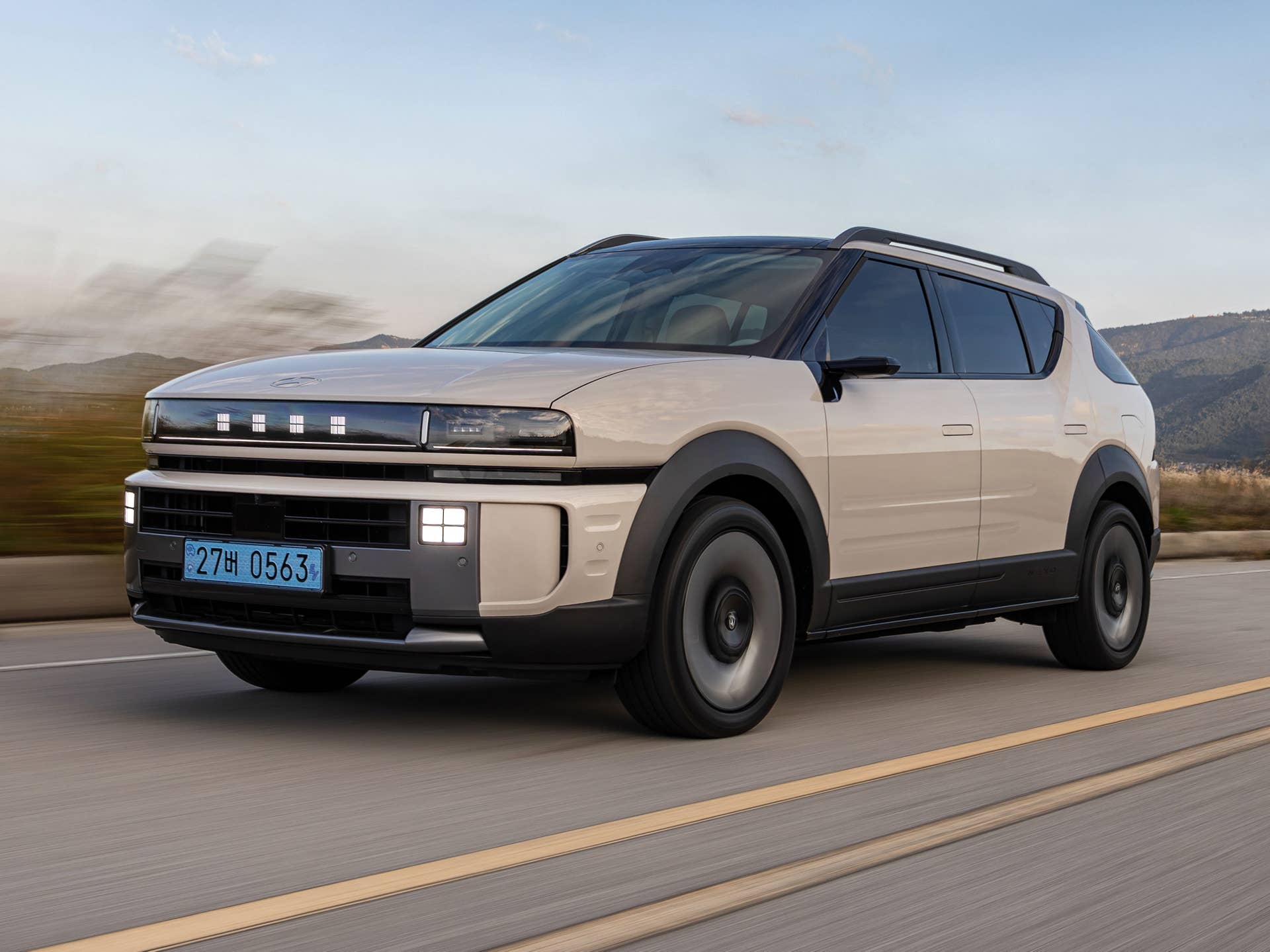
Hyundai, similar to Toyota and Honda, is shifting focus to the commercial adoption of hydrogen fuel cell vehicles. Recently signing an MOU with the Georgia Institute of Technology, Hyundai is donating a fleet of NEXO HFC SUVs and a dedicated hydrogen electrolyzer to the campus. Hyundai is doubling down on its hydrogen plan for localized commercial and fleet ecosystems across the country.
What About Passenger HFC Vehicles?
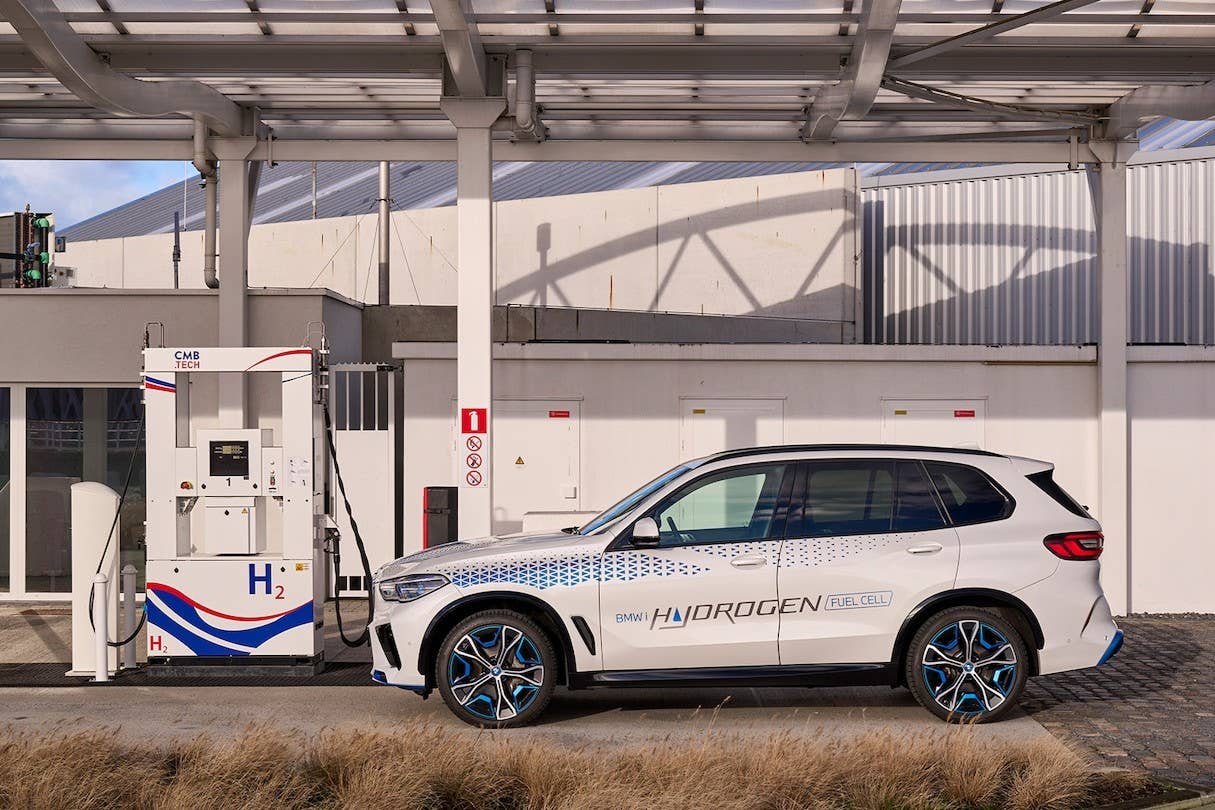
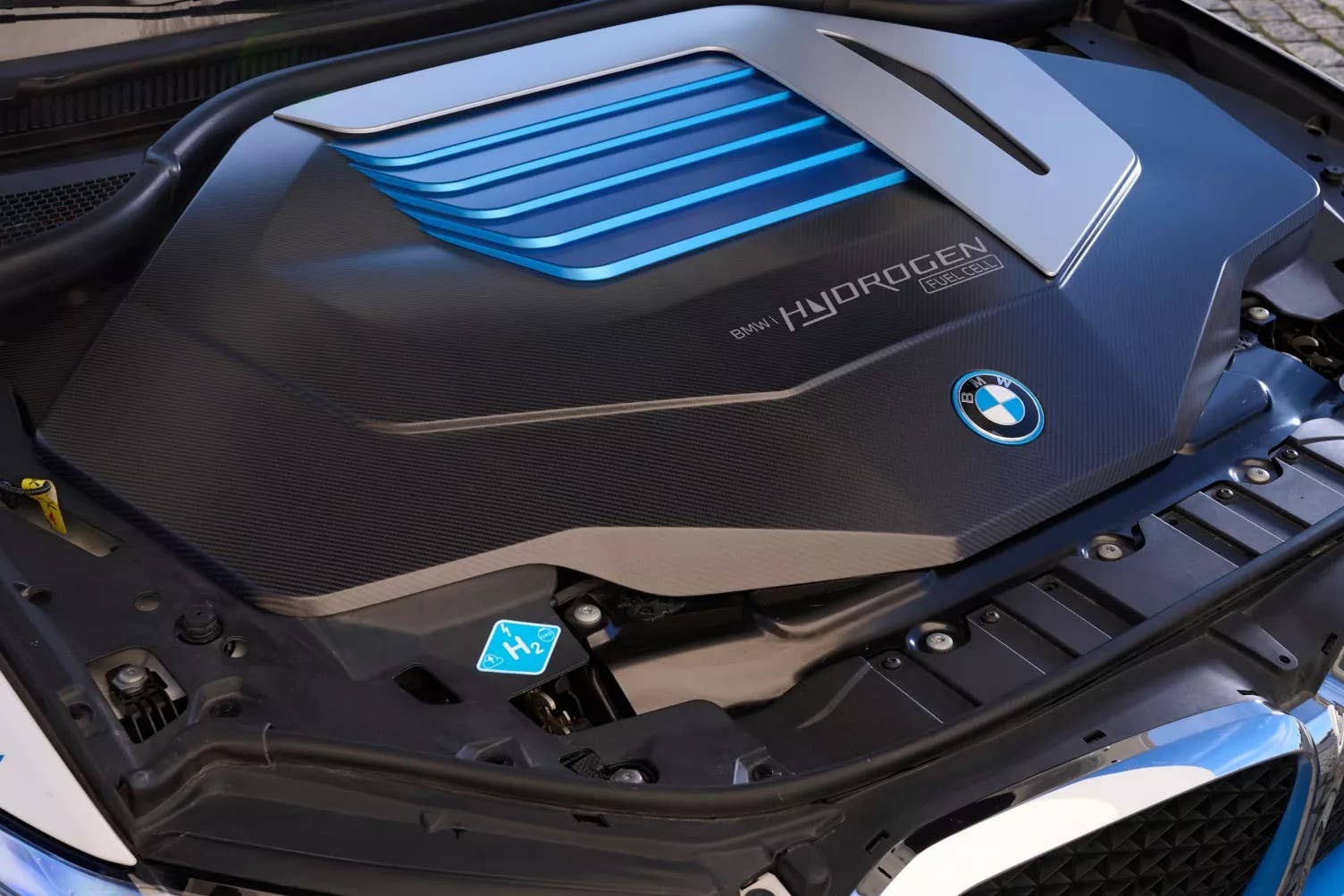
In the policy-stricken EU market, BMW and Toyota are continuing to fortify their alliance. BMW is actively developing a mass-market hydrogen FCEV targeted for 2028, leveraging Toyota's fuel cell architecture to insulate itself against lithium-ion dependency. Toyota, long criticized for lagging in the pure-BEV race, continues to refine its Mirai hydrogen platform and experiment with hydrogen combustion engines alongside its successful hybrid-first strategy.
On the enthusiast front, the rebellion is being fueled synthetically. Porsche refuses to let the internal combustion engine die quietly. The German powerhouse has industrialized the production of e-fuels—synthetic liquid fuels produced from renewable hydrogen and captured carbon dioxide—at its Haru Oni plant in Chile alongside HIF Global. As of 2026, Porsche has officially deployed these near-carbon-neutral e-fuels into the Porsche Mobil 1 Supercup, proving that high-performance internal combustion can survive the zero-emission era without a heavy battery anchor.
The Road Ahead
The reality of deploying these alternative fuels at scale remains brutally unforgiving. There is massive momentum right now for commercial hydrogen fuel cells, with major players looking to mass-produce the technology for heavy transport. Yet, the consumer infrastructure is collapsing under its own weight. Recently, three major hydrogen fueling stations in the California Bay Area—operated by True Zero, the state's largest provider—have gone offline indefinitely due to localized supply chain and compressor issues. This station shutdown highlights the severe disconnect between commercial ambitions and consumer reality.
The takeaway for the American auto industry is interesting. The "all-EV" mandate is dead. If legacy automakers fail to aggressively diversify their powertrains, they are essentially outsourcing their entire future to a fragile grid. The internal combustion engine and the fuel cell aren't artifacts of the past or concepts of the future—they are the multimillion-dollar insurance policies keeping the global auto industry afloat.


There are no reviews to display.