




Florida introduced a new rule on 1 October that many drivers still don’t know exists. Earlier this year, Florida implemented a law that targets first-time speeding offenders, and now they've aimed the crosshairs at drivers with license plate decorations. What used to be a harmless bit of personal style or a common dealership add-on can now saddle everyday motorists with a second-degree misdemeanor. House Bill 253 was pitched as a targeted crackdown on people who intentionally hide their plates, especially those using gadgets to dodge speed cameras. In reality, the law sweeps much wider, and plenty of innocent drivers are only now realizing that the tiniest frame, cover, or accessory could leave them with a criminal record.
Small Details Turn Into Big Trouble
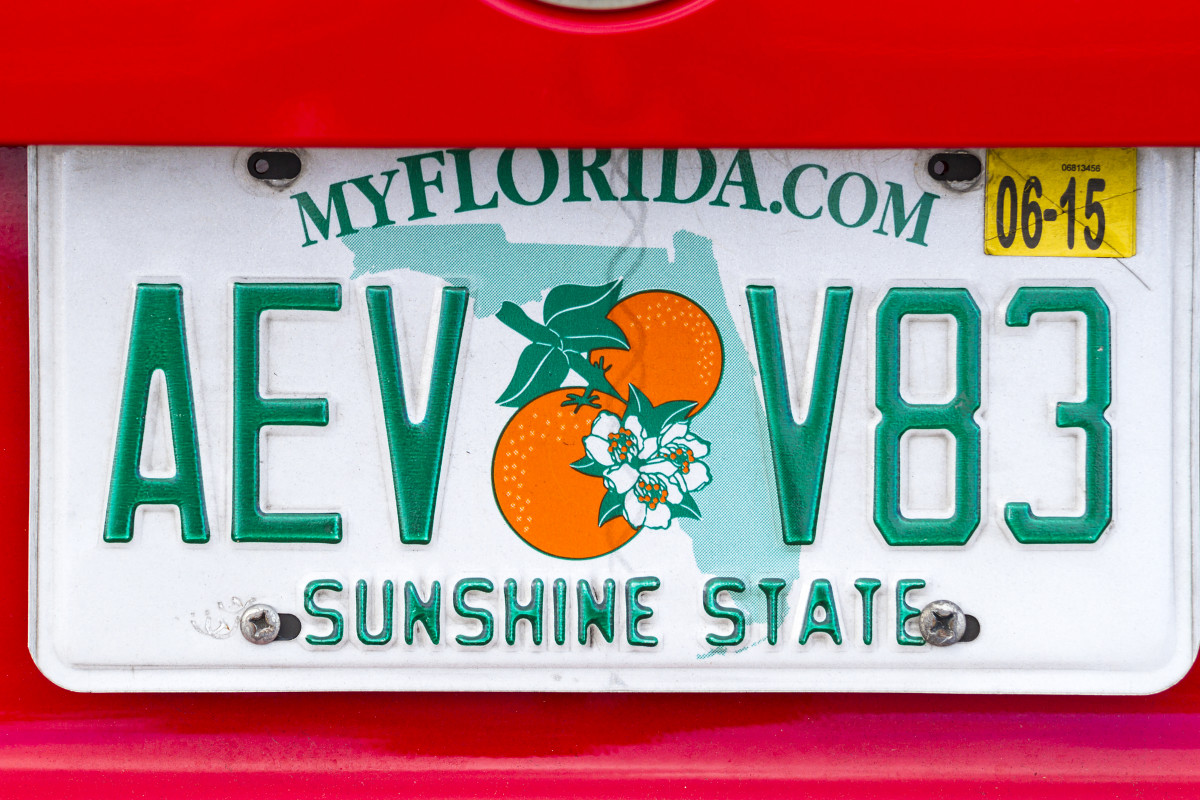
HB 253 increases the penalty for obscuring a license plate from a traffic infraction to a second-degree misdemeanor. The text is blunt: “A person may not apply or attach a substance, reflective matter, illuminated device, spray, coating, covering, or other material onto or around any license plate which interferes with the legibility, angular visibility, or detectability” of the plate. In theory, the wording targets deliberate tampering. In practice, most people have no idea their plate is “obscured” at all. License plate frames from dealerships, covers left by previous owners, and novelty borders that clip a corner of a hideous license plate now fall under the same legal category as someone using a flipper or reflective spray to fool cameras. Punishment includes up to 60 days in jail and a fine of up to $500 despite these accessories being openly sold for decades.
Why Innocent Drivers Will Pay the Price
The bill states that only those who “knowingly” alter or obscure their plate commit the second-degree misdemeanor. The problem is that “knowingly” isn't clearly defined. If your car came with a decorative frame from the dealer, did you “knowingly” obscure it? If you bought a used car and the previous owner installed a cover, does that make you criminally liable? Under HB 253, the answer could very well be yes. Worse still, the law groups accidental obstruction with possession of a “license plate obscuring device,” a category that includes flippers, switching mechanisms, and anything designed to hide a plate from detection, like the Vusi Studios Vanish Plate. Possessing one is also a second-degree misdemeanor. Selling or distributing one, on the other hand, is a first-degree misdemeanor. And using one during a crime escalates the charge to a third-degree felony.

A Crackdown That May Create More Problems Than It Solves
We're all on the same page here. Hiding or obscuring your number plate should be illegal. But HB 253 will lead to decorative license plate frames and covers joining the list of the most commonly broken driving laws – an infringement that shouldn't carry the same punishment as a person driving under the influence, nor a person who installed a device designed to evade law enforcement. Much like Texas's new vehicle registration law, Florida's HB 253 will lead to thousands of Floridians suddenly carrying criminal records. Instead of hunkering down on reckless drivers who put others' lives at risk, this new law targets oblivious drivers with no ill intent.


There are no reviews to display.