


Tech Nerds Would Know the Name
Jony Ive isn’t a household name unless you follow tech closely, but his influence is everywhere. As the designer who put the iPhone on the map, he changed how we use technology by making touch the default way in.
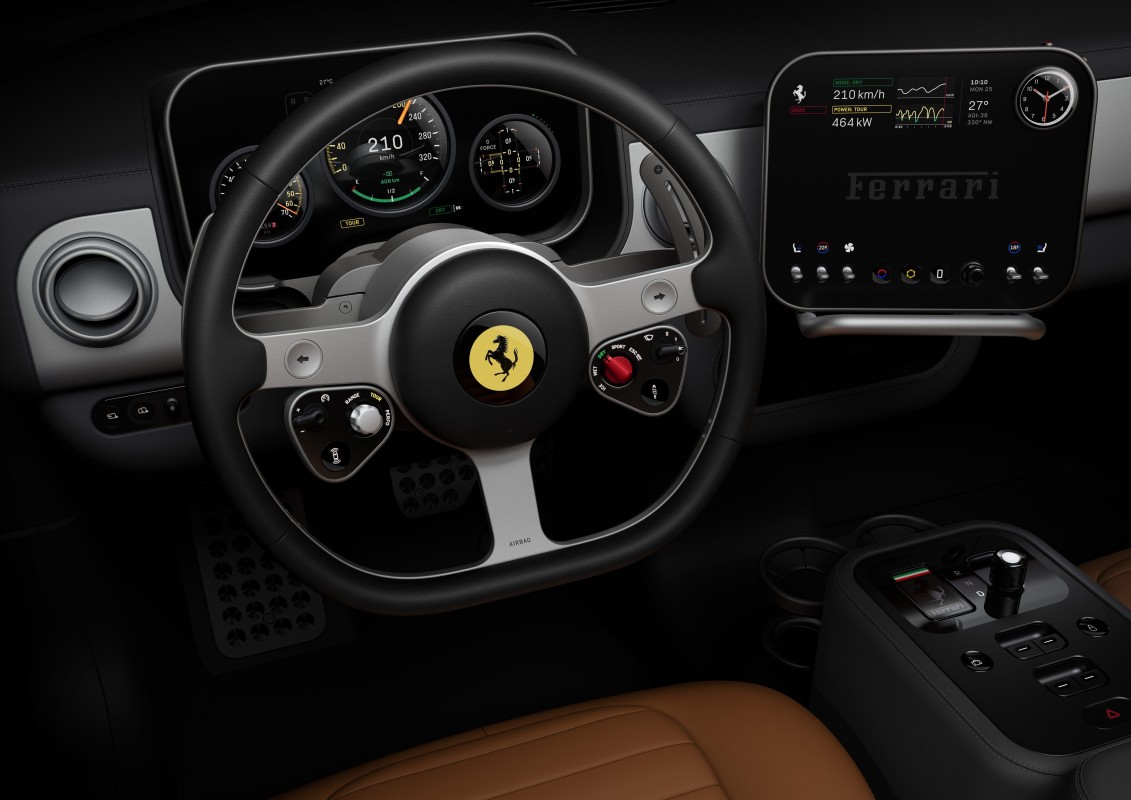
So when his name popped up in connection with Ferrari, it got people’s attention. Ive was tapped to help design the interior of Ferrari’s first all-electric model, the Luce. On paper, you’d expect that to mean a dashboard dominated by touchscreens, especially now that big screens are often seen as the definition of 'modern.'
But that’s not what happened. The Ferrari Luce takes a different route, putting physical switches and tactile controls front and center. This wasn’t about nostalgia or a late change of heart. It was the plan from day one, even if it bucks the trend most new cars, especially EVs, are following.
Why Touch Made Sense for Phones, But Not for Cars
In an interview with Autocar, Ive broke down why touchscreens worked for the iPhone but don’t translate well to cars. For the phone, touch replaced a mess of physical buttons with a single, flexible surface that could be anything – a calculator, a camera, or whatever you needed.
Cars, he pointed out, don’t have that problem. Ive said he wouldn’t use touchscreens for main controls because they make drivers take their eyes off the road. That alone makes them the wrong tool for the job.
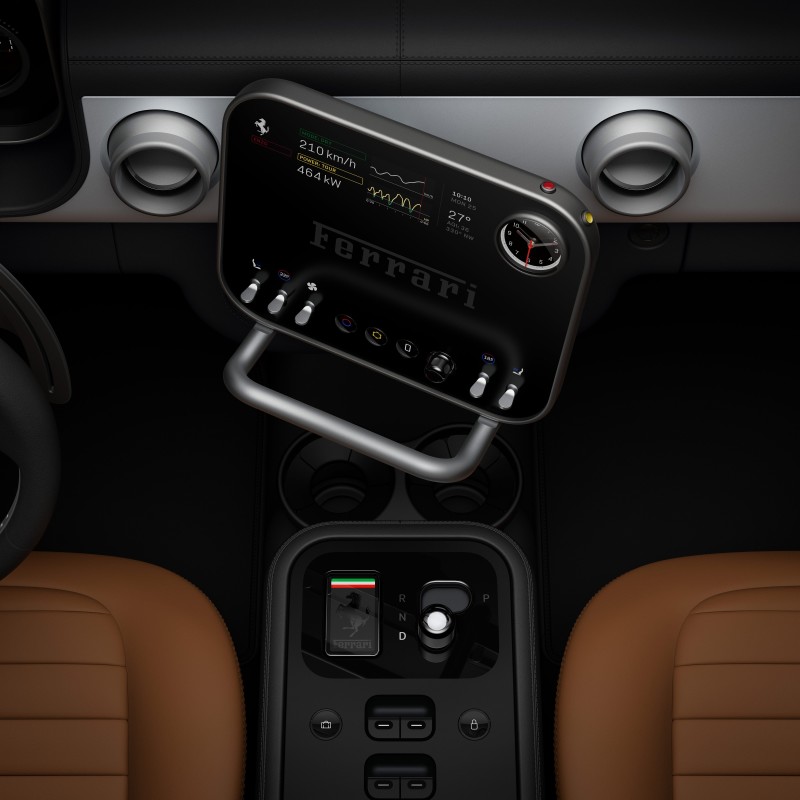
When asked what sets the Luce’s screen apart, Ive made it clear that Ferrari still uses some touch input, but only where it makes sense. Most of the controls are physical, and each switch is shaped to feel unique. The goal is for drivers to learn the layout by feel, not by looking.
He also noted how touchscreens became a trend in car interiors. One brand added them, then everyone else followed, making the screens bigger every year. In the rush, he said, a lot of brands forgot to ask what problem they were actually solving.
What to Expect from the Luce
Screen debates aside, the Luce marks a big change for Ferrari. It’s their first fully electric car, and the interior shows Ferrari isn’t just following trends. Instead, the Luce is built to keep the driver involved, even as the brand moves into EVs.
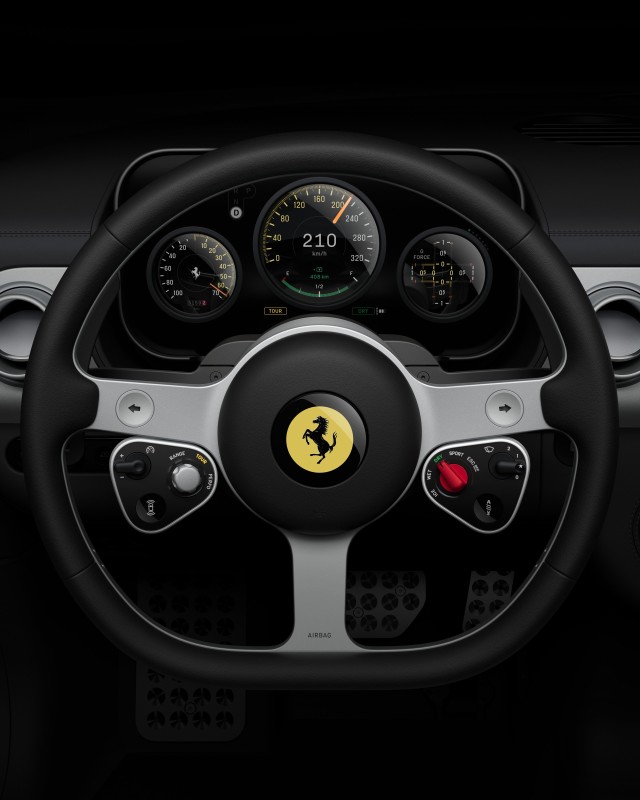
Inside, you get a mix of modern screens and classic Ferrari touches, with the driver still at the center. Physical controls are where you need them most, and the digital parts stay in the background instead of taking over.
Ferrari hasn’t released all the specs yet, but the Luce looks set to balance performance and the brand’s identity in a way that should feel right to longtime fans. In that sense, Ive’s approach makes perfect sense.


There are no reviews to display.