




A Longstanding Cybertruck Fault
Two years after its highly publicized debut, the Tesla Cybertruck is once again under scrutiny, this time for a problem many owners say has literally clouded their vision. From the very beginning, when early prototypes were first spotted during testing, one detail drew instant attention: the massive, single windshield wiper dominating the front glass. The wiper’s sheer size became an early talking point among enthusiasts and critics alike when the Cybertruck was first spotted. Now, with another winter underway, that once-novel design feature has emerged as one of the vehicle’s most persistent pain points.
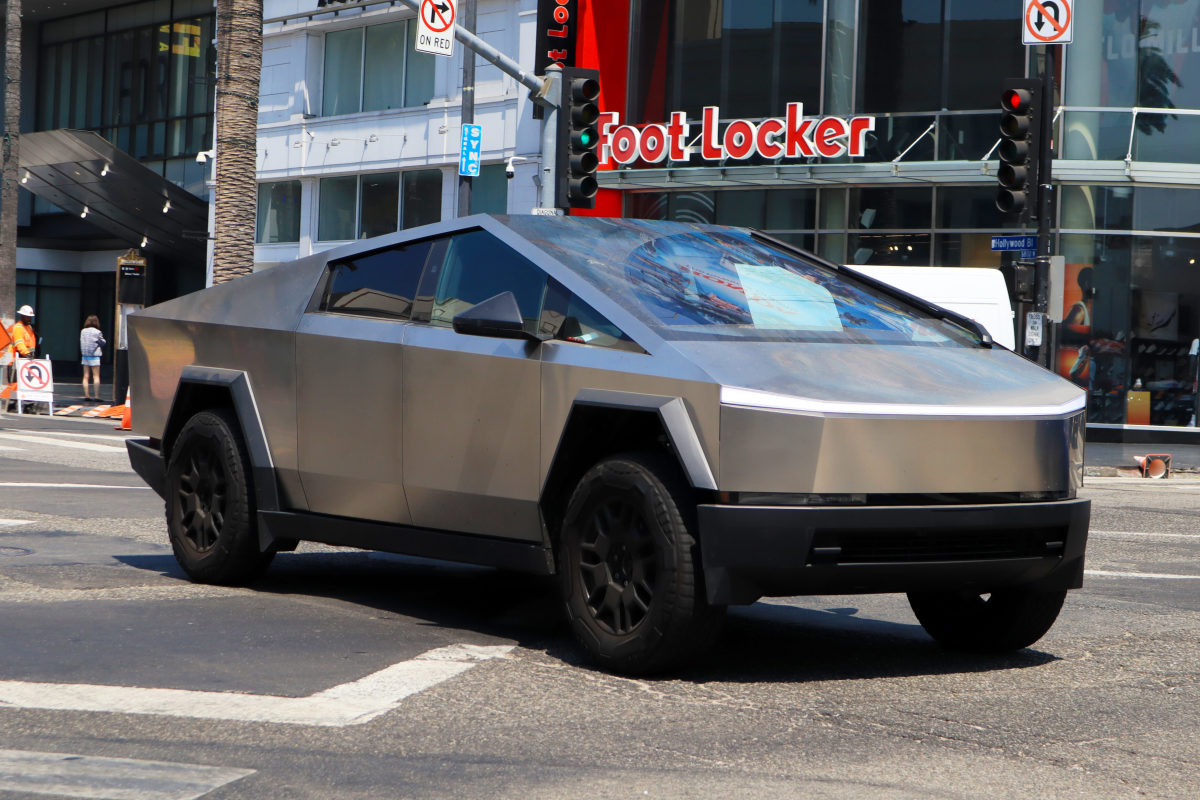
Spanning nearly four feet, the oversized blade was meant to double as both an aesthetic statement and an engineering solution befitting Tesla’s futuristic pickup. Instead, it has become a recurring frustration for drivers navigating snow, ice, and slush.
Reports from owners across North America describe the wiper’s inconsistent performance in cold, wet conditions. Snow and road grime tend to accumulate quickly, while uneven pressure leaves streaks and blind spots across the windshield. Tesla, in internal service communications shared by Tesla accessory distributor Teslahubs, acknowledged that “wiper performance is under active Engineering investigation,” signaling that the company is still working toward a fix despite multiple updates.
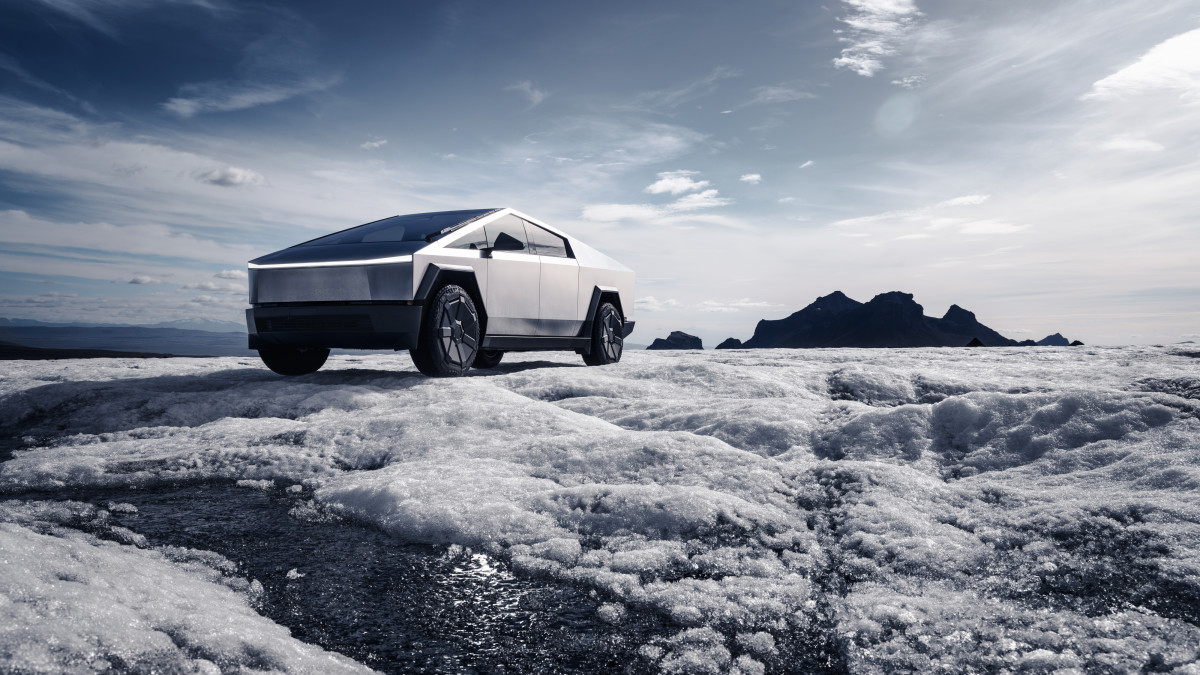
Tesla
Why the Giant Wiper Keeps Falling Short
The Cybertruck’s single-blade system was designed to deliver wide coverage in a single sweep, but real-world performance has often fallen short. Owners have complained since launch that the blade struggles to maintain consistent contact with the glass, particularly near the center and upper edges of its arc.
At highway speeds, some drivers report that the wiper fails to rest properly. In contrast, others note spotty washer-fluid distribution, a minor annoyance in summer that becomes a serious concern in snow or freezing rain. As winter sets in, these shortcomings become harder to ignore, with ice buildup and slush making the problem even more pronounced.
More troubling are claims that the wiper’s limitations may affect the Cybertruck’s advanced driver-assistance systems. Several owners have reported that the blade sometimes fails to clear the area in front of the Full Self-Driving cameras, reducing visibility for both the driver and the vehicle’s software.
Social media posts on X have amplified the issue, showing videos of partially cleared windshields during snowstorms. The growing chorus of complaints suggests that this is less a rare manufacturing defect and more a systemic design challenge, one that could have broader implications for Tesla’s future vehicles.
Love the Cybertruck. Hate the wiper system. Tesla needs to issue a voluntary service providing a free upgraded/redesigned wiper arm and sprayer. This is not a one-time event. Happens every time we hit salt/slush and snow. It’shighly unsafe. There were a few times today on I-70… pic.twitter.com/ajy2BYFQDA
— Spotted Model: Cars & Tech (@spotted_model) December 18, 2025
Fixes, Recalls, and What Comes Next
Tesla has made several attempts to address the wiper issue, but so far, solutions have been incremental rather than transformative. In June 2024, the company recalled a batch of Cybertruck wiper motors due to potential reliability concerns. Software updates followed, tweaking the blade’s sweep and resting position. Tesla also introduced a revised “V2” wiper blade intended to improve performance, but many owners say the newer version has brought its own set of quirks. Complaints of erratic movement and durability issues continue to surface online and in service centers nationwide.
Industry watchers now speculate that a more substantial redesign may be underway. Observers have pointed out that while Tesla’s early “Cybercab” concept vehicles featured a similar single-wiper system, newer prototypes appear to adopt a more traditional dual-blade layout.
If that shift makes it to production, it could mark a quiet acknowledgment from Tesla that the original single-wiper concept was a step too far for real-world driving, especially in harsh winter conditions. Until then, Cybertruck owners are left waiting, watching the snow fall, and hoping Tesla’s engineering team finally wipes away one of the truck’s most notorious flaws.


There are no reviews to display.