


And You’d Never Know
A new cybersecurity study from the IMDEA Networks Institute has uncovered a deeply unsettling reality: one of your car’s most basic safety systems may already be broadcasting your movements to anyone willing to listen. Tire Pressure Monitoring Systems (TPMS), now standard equipment in modern vehicles worldwide, were designed purely to prevent accidents caused by underinflated tires. Instead, researchers found they may unintentionally function as persistent wireless tracking beacons.
Over a ten-week field study, researchers deployed low-cost radio receivers near roads and parking areas, capturing more than six million TPMS transmissions from over 20,000 vehicles. Each tire sensor continuously emits wireless signals containing a fixed, unique identification number, and critically, these signals are transmitted unencrypted.
Unlike cameras or license plate readers, which require line of sight, TPMS signals penetrate walls, vehicles, and structures. Anyone equipped with roughly $100 worth of radio hardware can silently identify and re-identify the same vehicle repeatedly, building movement profiles without driver awareness or consent.

Stock Photo
A Cheap, Invisible Surveillance Network Already Exists
What makes TPMS tracking particularly disturbing is its scalability. According to lead researcher Domenico Giustiniano, networks of discreet receivers could monitor vehicle routines across entire cities. By correlating signals from all four tires, researchers successfully improved identification accuracy, allowing them to determine when vehicles arrived home, left for work, or followed predictable daily schedules.
Signals were captured from distances exceeding 50 meters, even when vehicles were moving or parked inside buildings. The study also revealed that transmitted tire pressure data can hint at vehicle class or payload weight, potentially exposing commercial activity or travel behavior. Unlike GPS tracking or telematics systems that drivers knowingly enable, TPMS surveillance operates passively. There are no dashboard warnings, permissions, or opt-out mechanisms. Current vehicle cybersecurity regulations simply do not address tire sensor encryption, leaving millions of vehicles globally vulnerable to passive monitoring.
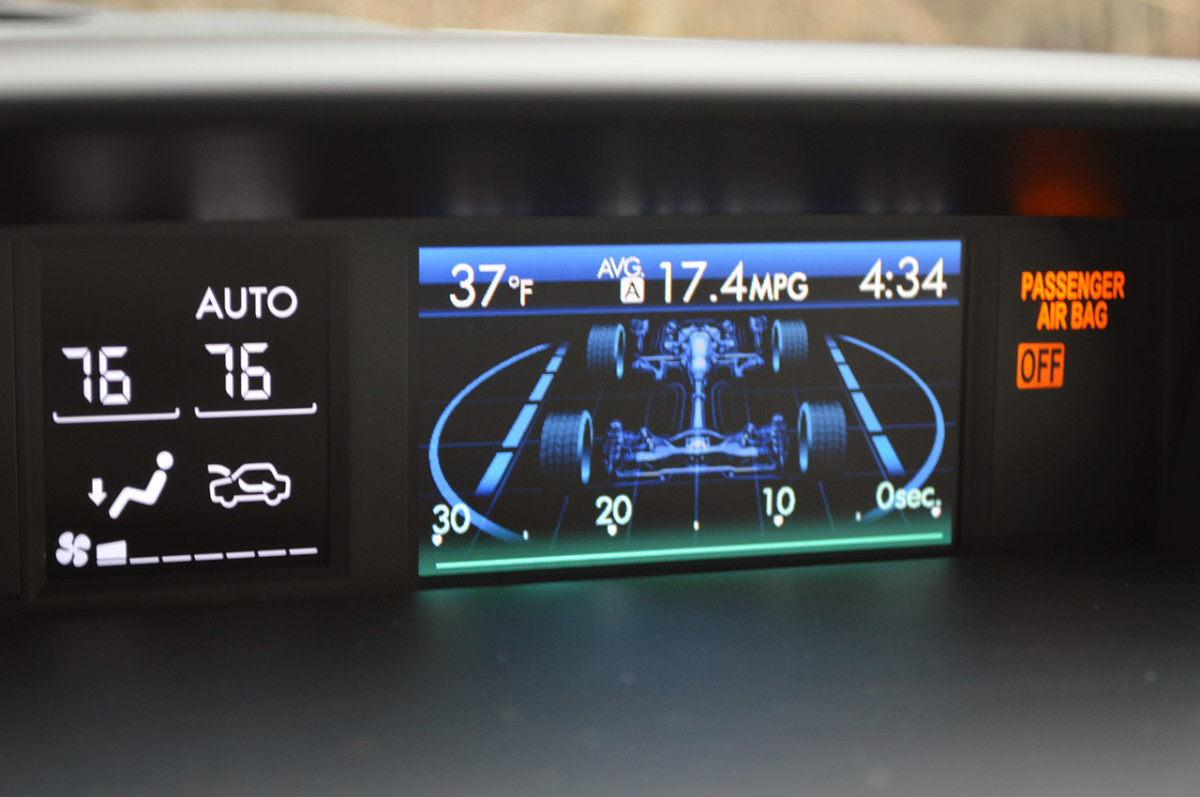
TPMS Is Just the Start
The TPMS findings reinforce a broader trend already emerging across the automotive industry: modern vehicles are rapidly evolving into mobile data platforms. Previous reporting has shown how connected cars can log driver behavior through cabin sensors, microphones, mobile apps, and cloud-connected telematics systems. Legal disputes involving automakers accused of tracking owners without clear consent further illustrate how vehicle-generated data is increasingly valuable yet controversial.
Even innovations marketed as safety or convenience upgrades rely heavily on constant sensor data collection. Road-monitoring systems that detect potholes, connected EV platforms that reveal usage patterns, and globally connected vehicle ecosystems all depend on vehicles continuously transmitting information. The IMDEA researchers warn that TPMS is a particularly alarming example because it operates entirely outside consumer awareness. As connectivity expands, the industry faces a growing challenge: ensuring that systems designed to protect drivers do not quietly transform cars into tools that can monitor them.

SAIC Volkswagen


There are no reviews to display.