




When AI Starts Writing Tickets
Traffic cameras have been watching drivers for decades, but they've mostly been dumb observers—catching speeders and red-light runners through simple triggers. That's changing fast. Cities worldwide are deploying AI-powered systems that don't just watch; they analyze, predict, and enforce traffic laws with efficiency that human officers just can’t match.
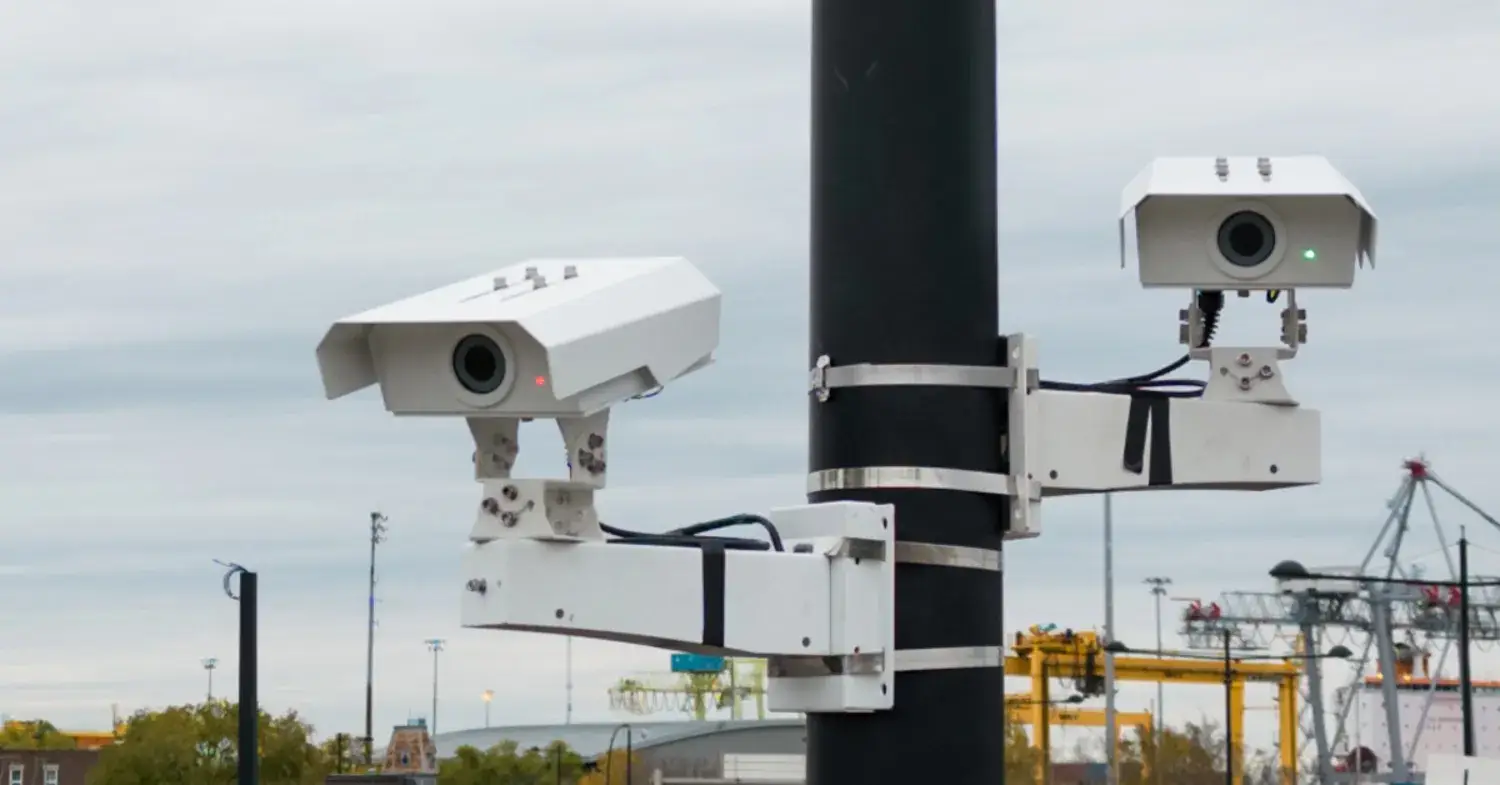
In the latest win for AI traffic cameras, eight AI-powered traffic cameras in Athens, Greece has issued citations for approximately 2,500 infractions in just four days. One of the cameras was so active, it wrote tickets for over 1,000 infractions alone; many of them were probable false positives, but the vast majority were actual infractions that would’ve just been glossed over.
FLIR
From Simple Traffic Cameras to Omnipresent Enforcement
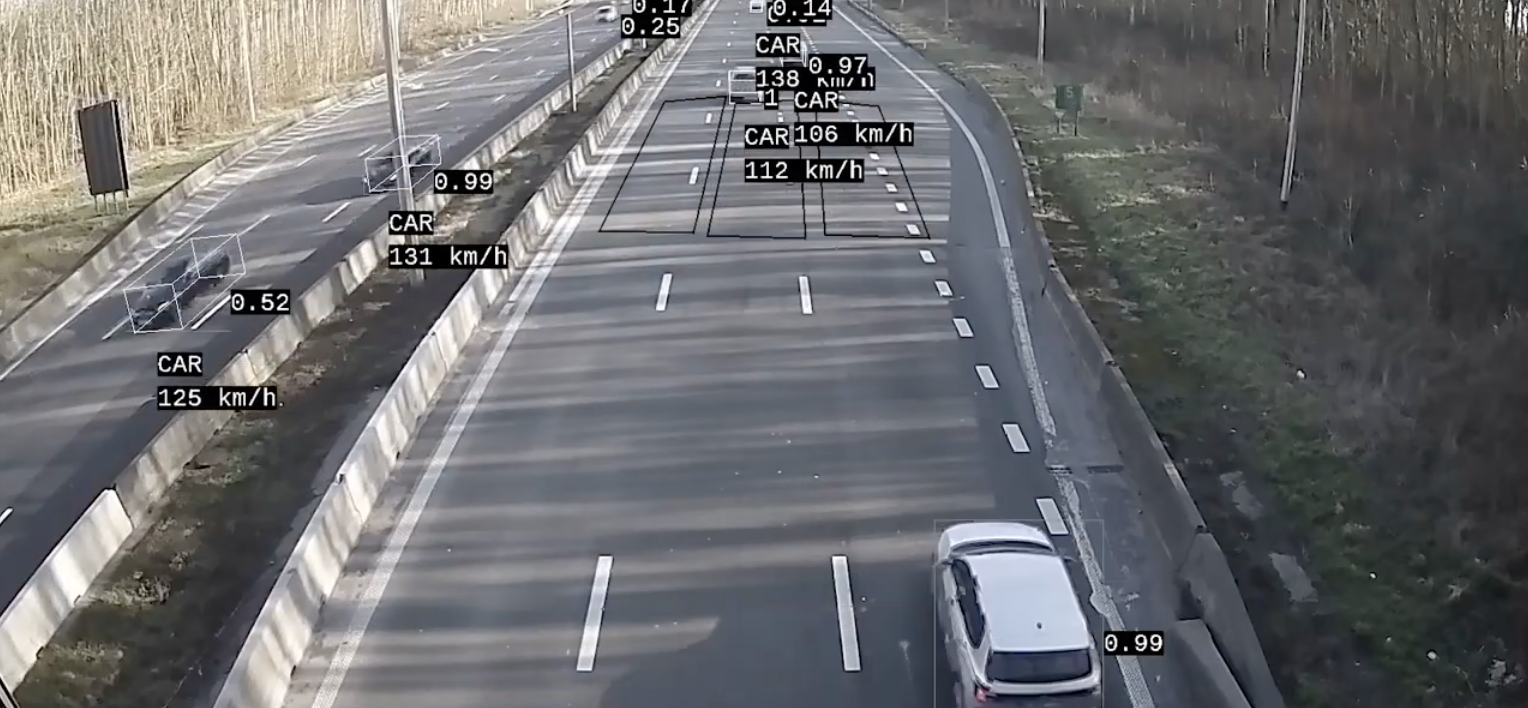
Regular traffic cameras took one picture at a time - your car running a red light, speeding past the posted speed limit, etc. New style AI-powered systems can track distracted driving, failure to wear a seat belt, failure to stay in the proper lane, and dozens of other infractions at the same time. This technology is being rolled out rapidly.
For example, Dallas has more than 600 AI-powered cameras operating now. North Carolina is planning to implement AI traffic management at 2,500 intersections across the state. Additionally, the state of Hawaii will distribute 1,000 dash cam units to drivers, which will give the state a crowd-sourced surveillance system. AI traffic cameras also provide valuable information about the condition of the roadways. San Jose uses cameras mounted on street sweepers to identify potholes with a 97 percent degree of accuracy. Similarly, the state of Hawaii identifies damaged guardrails thanks to the AI-based system.
FLIR
Better Roads, Safer Streets But at What Cost?
What matters most is that this technology has the potential to actually reduce fatalities. Distracted driving is linked to nearly 3,500 fatalities per year, according to the NHTSA. If AI can catch people using their phones while behind the wheel, then AI could potentially be a game-changer for reducing fatalities. Research studies show that consistent automated enforcement causes drivers to behave less riskily.
Every turn you make could be recorded, analyzed, and stored in a database owned by local and/or state governments. The key here is whether there are clear and transparent regulations in place and how those regulations protect the citizens from excessive surveillance as a result of the implementation of this technology. We need to determine if we want safer roads on the one hand, but constant, AI-powered observation of our actions in public spaces on the other.


There are no reviews to display.