


Key Takeaways
- Factory-trained technicians understand manufacturer-specific torque specs, bolt patterns, and integration points that general mechanics often miss, preventing costly rework and safety issues.
- Specialized offroad shops use dealer-level diagnostics to properly recalibrate vehicle systems after modifications, while general mechanics typically rely on basic scan tools that can't access deeper vehicle programming.
- Warranty coverage differs dramatically – dedicated offroad facilities often provide 12-month comprehensive warranties on modifications, while general shops typically offer limited parts-only coverage.
- The cost difference between doing it right the first time versus fixing mistakes from improper installation can easily exceed $3,000 to $5,000 in additional labor and replacement parts.
The difference between a specialized offroad shop and a general mechanic extends far beyond the sign on the building. Your choice determines whether your modified vehicle performs reliably on Missouri highways and weekend trails, or becomes a recurring source of problems that drain your time and budget.
Most vehicle owners discover this distinction only after experiencing the consequences of the wrong choice. A custom offroad shop brings factory-level expertise to modification work, while general mechanics apply standard automotive repair approaches to specialized builds that require different knowledge, tools, and processes.
Here's what separates these two approaches and why that separation matters for your specific project.
What Factory-Trained Certification Means for Your Vehicle
Factory-trained technicians complete manufacturer-specific coursework covering the engineering decisions behind each vehicle platform. Master Certified Jeep technicians understand how Wrangler frame geometry affects suspension mounting points. Toyota-certified professionals know the electronic integration requirements for Tacoma and 4Runner modification work.
This training translates directly to installation accuracy. Factory-trained technicians know that 2018-2024 Jeep Wranglers require specific recalibration procedures after lift installation to prevent steering angle sensor errors. They understand Toyota's Crawl Control system integration points and how suspension modifications affect those connections.
General mechanics work from universal installation guides that don't account for model-year variations or manufacturer-specific requirements. They often treat a lift kit installation as a straightforward parts swap, missing the integration steps that prevent long-term problems.
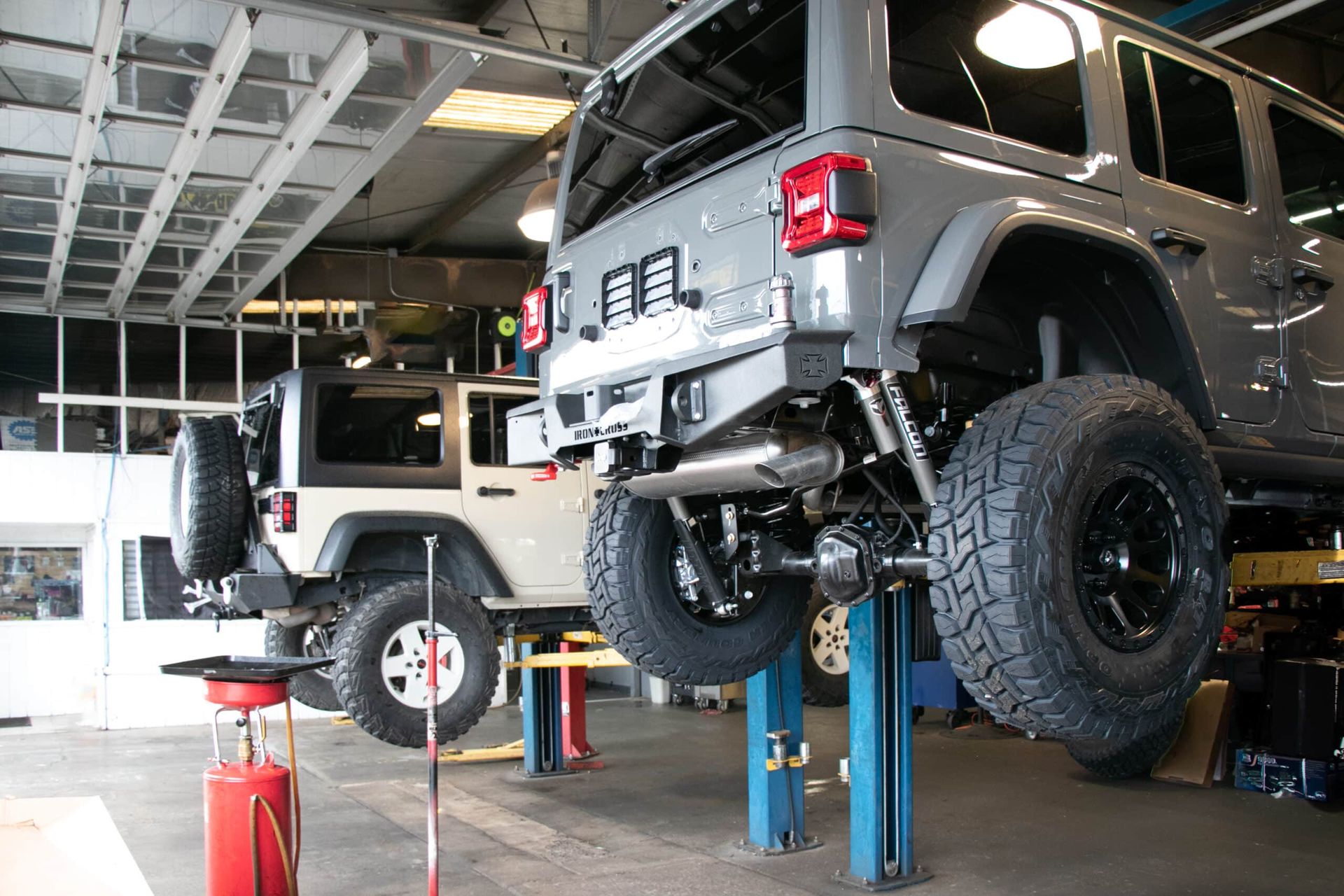
The result shows up in how the vehicle behaves after modification. Factory-trained installations maintain proper steering feel, accurate speedometer readings, and functional safety systems. General shop work frequently produces vehicles that drive differently than expected or display persistent warning lights.
ASE certification provides additional verification of diagnostic and repair competency across vehicle systems. Combined with manufacturer-specific training, these credentials indicate technicians who understand both universal automotive principles and platform-specific requirements.
Dealer-Level Diagnostics vs. Generic Scan Tools
Modification work requires reprogramming vehicle computers to recognize new component specifications. Dealer-level diagnostic equipment can access and modify the deep programming that controls everything from transmission shift points to stability control thresholds.
After installing a lift kit and larger tires, proper shops use this equipment to update tire circumference data, recalibrate speedometer readings, and adjust transmission programming for the new wheel and tire combination. The vehicle's computer systems then operate with accurate information about the modified configuration.
Generic scan tools used by most general shops can read basic error codes but cannot access the programming layers needed for modification work. They can clear warning lights temporarily, but the underlying calibration issues remain unresolved.
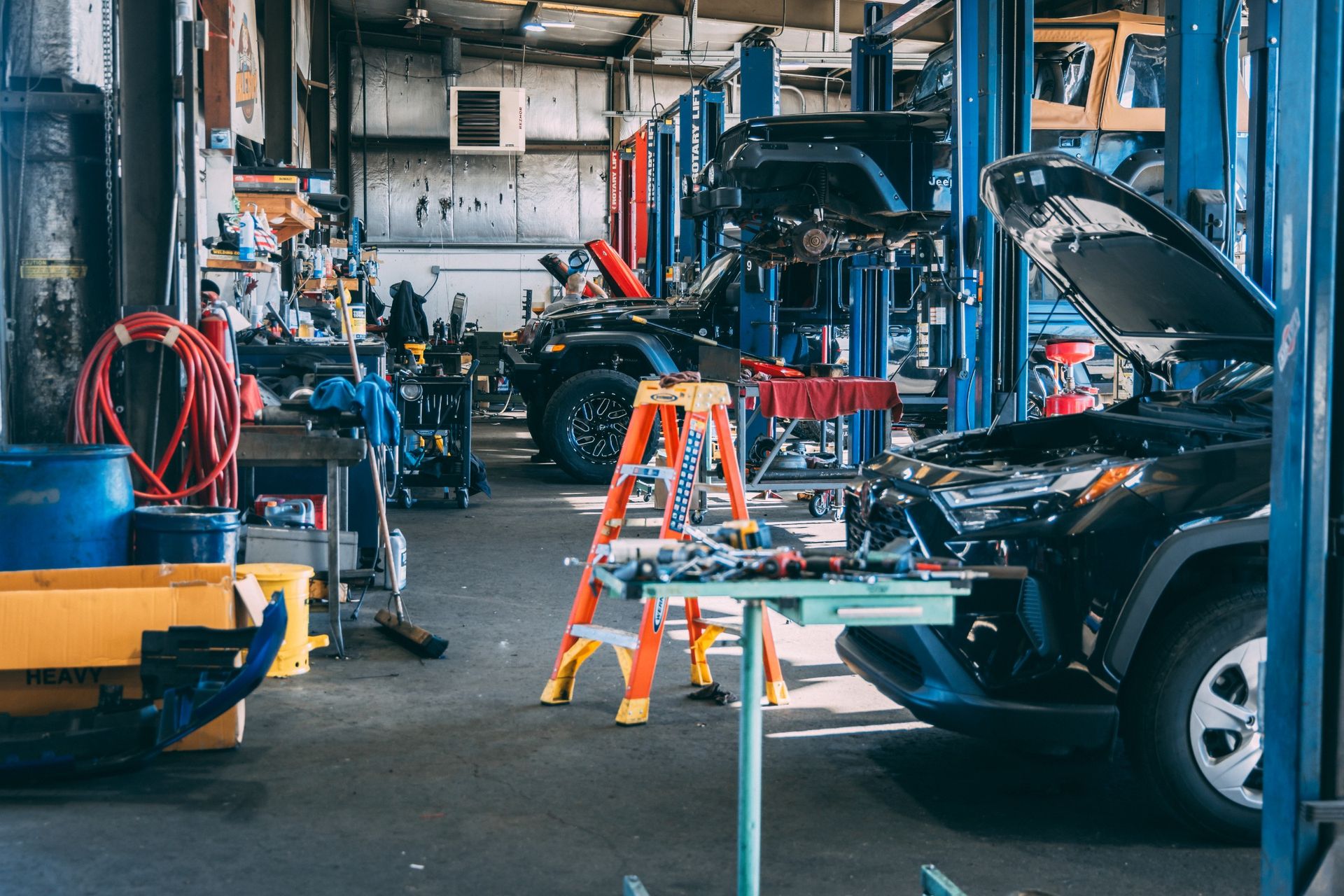
[Image Alt #2: Multi-bay automotive workshop interior with blue steel support columns, blue and red hydraulic...]
This limitation creates ongoing problems. Vehicles modified at general shops often experience persistent check engine lights, inaccurate speedometer readings, and transmission behavior that doesn't match the new configuration. The underlying cause is incomplete system integration, not defective parts.
Proper diagnostic equipment also enables accurate troubleshooting when issues arise. Specialized shops can identify whether problems stem from installation errors, part defects, or integration issues. General shops often resort to parts replacement without understanding the root cause.
Warranty Accountability: What Coverage Actually Means
Warranty terms reveal how confident a shop is in their work quality and long-term results. Comprehensive warranties covering both parts and labor for 12 months or 12,000 miles indicate shops that stand behind their installation processes and component selection.
This coverage includes labor to diagnose and correct any performance issues related to the modification work. If a lift kit installation causes premature wear on other components, comprehensive warranty coverage addresses those consequences without additional cost to the vehicle owner.
General shops typically offer limited warranties covering only the specific parts they installed, excluding labor costs and related component issues. If problems develop, customers pay diagnostic fees and labor charges even when the issues stem from improper installation.
Master Certified Expertise
Axleboy's team includes Master Certified Jeep technicians, Toyota-certified professionals, and ASE-certified specialists. This combination ensures factory-level knowledge across the most popular offroad platforms, backed by the area's only 12-month / 12,000-mile comprehensive warranty covering both performance parts and labor.
The warranty structure also reflects different approaches to problem resolution. Specialized shops typically handle warranty work in-house using the same technicians who performed the original installation. They understand the build process and can efficiently identify and correct issues.
General shops often send warranty claims back to parts manufacturers, creating delays and finger-pointing between the shop, parts supplier, and customer. Resolution takes longer and frequently requires multiple visits to achieve satisfactory results.
The Real Cost of Rework After General Shop Installation
Improper installation work creates cascading problems that extend well beyond the original modification scope. A lift kit installed without proper alignment specifications causes premature tire wear. Suspension components mounted at incorrect angles create handling problems and accelerated wear on related parts.
Correcting these issues requires removing the improperly installed components, replacing any parts damaged during incorrect installation, and performing the work correctly. Labor costs accumulate quickly – often exceeding the original installation price.
Recent examples include a Jeep Wrangler that required complete suspension rework after a general shop installed a lift kit without proper torque specifications. Three mounting bolts loosened over time, causing alignment issues and tire wear that cost an additional $2,800 to resolve.
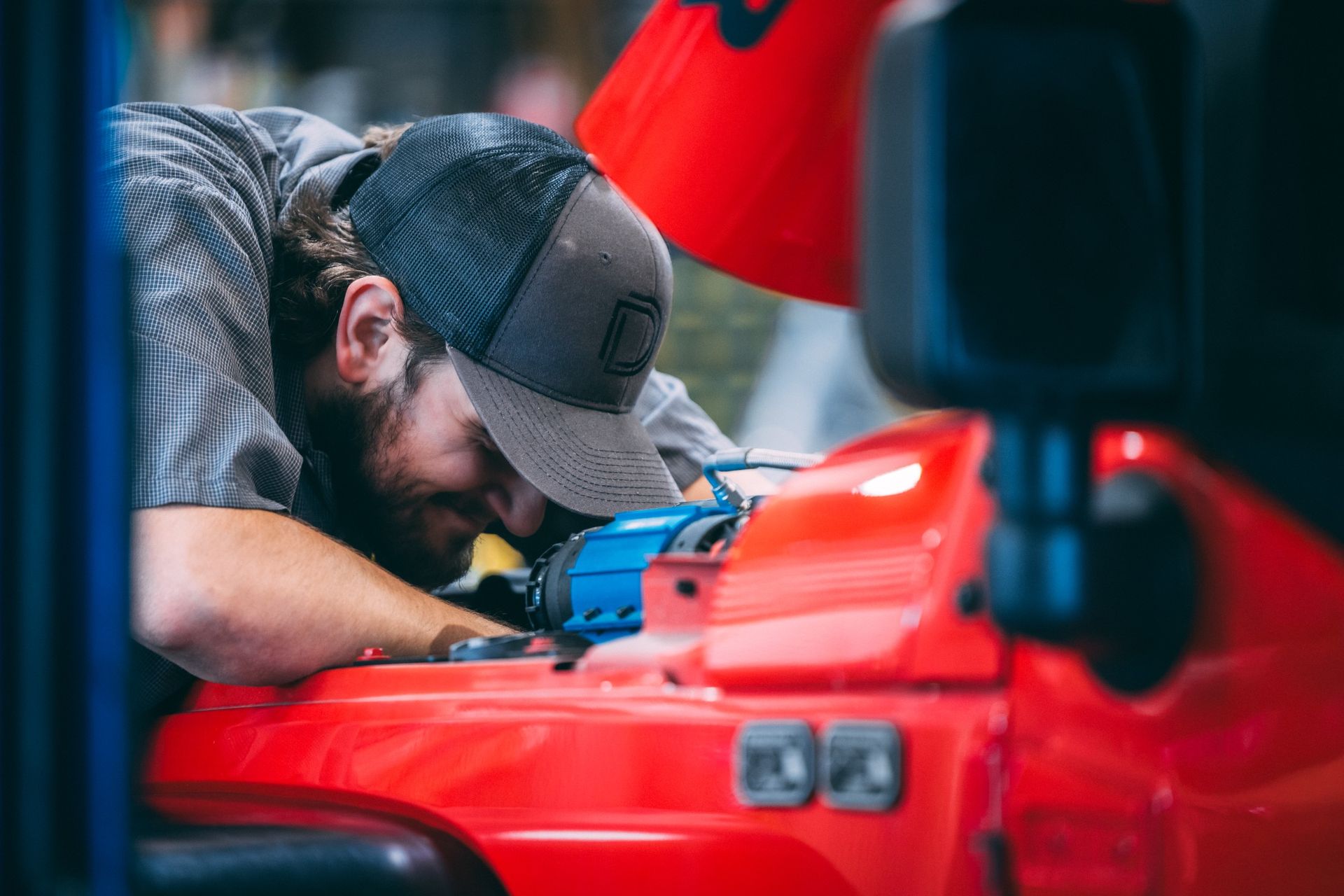
A Toyota Tacoma came in after another shop installed lift kit components without updating the vehicle's computer programming. The truck experienced transmission shifting problems and inaccurate speedometer readings. Correcting the installation and programming issues required 12 hours of additional labor plus replacement of one damaged component.
These situations are preventable with proper initial installation, but correction costs often range from $1,500 to $5,000 depending on the extent of problems and component damage. The financial impact extends beyond immediate repair costs to include lost time, alternative transportation needs, and frustration with a vehicle that doesn't perform as expected.
Prevention costs significantly less than correction. Proper installation by qualified technicians eliminates most rework scenarios and provides warranty protection against the few issues that might develop despite correct procedures.
How to Vet Any Offroad Shop Before Committing
Specific questions reveal whether a shop has the capabilities and commitment to handle your modification project properly. Ask about technician certifications – not just general automotive experience, but manufacturer-specific training relevant to your vehicle.
Request details about their diagnostic equipment capabilities. Can they access and reprogram your vehicle's computer systems after modification work? Do they have the tools needed to properly calibrate modified configurations?
Review their warranty terms carefully. What specific situations are covered? How long does coverage last? Who performs warranty work – the original shop or a third party? Comprehensive coverage indicates confidence in work quality and processes.
Ask to see examples of similar builds on your vehicle platform. Experienced shops can show previous work and explain the specific considerations for your make and model. They should discuss potential complications and how they address them.
Red flags include shops that:
• Cannot provide specific technician certifications for your vehicle brand
• Offer only parts warranties without labor coverage
• Cannot explain how they handle computer system recalibration
• Provide estimates significantly below market rates without explaining why
• Rush through consultations without discussing your specific usage requirements
• Cannot show examples of previous work on your vehicle platform
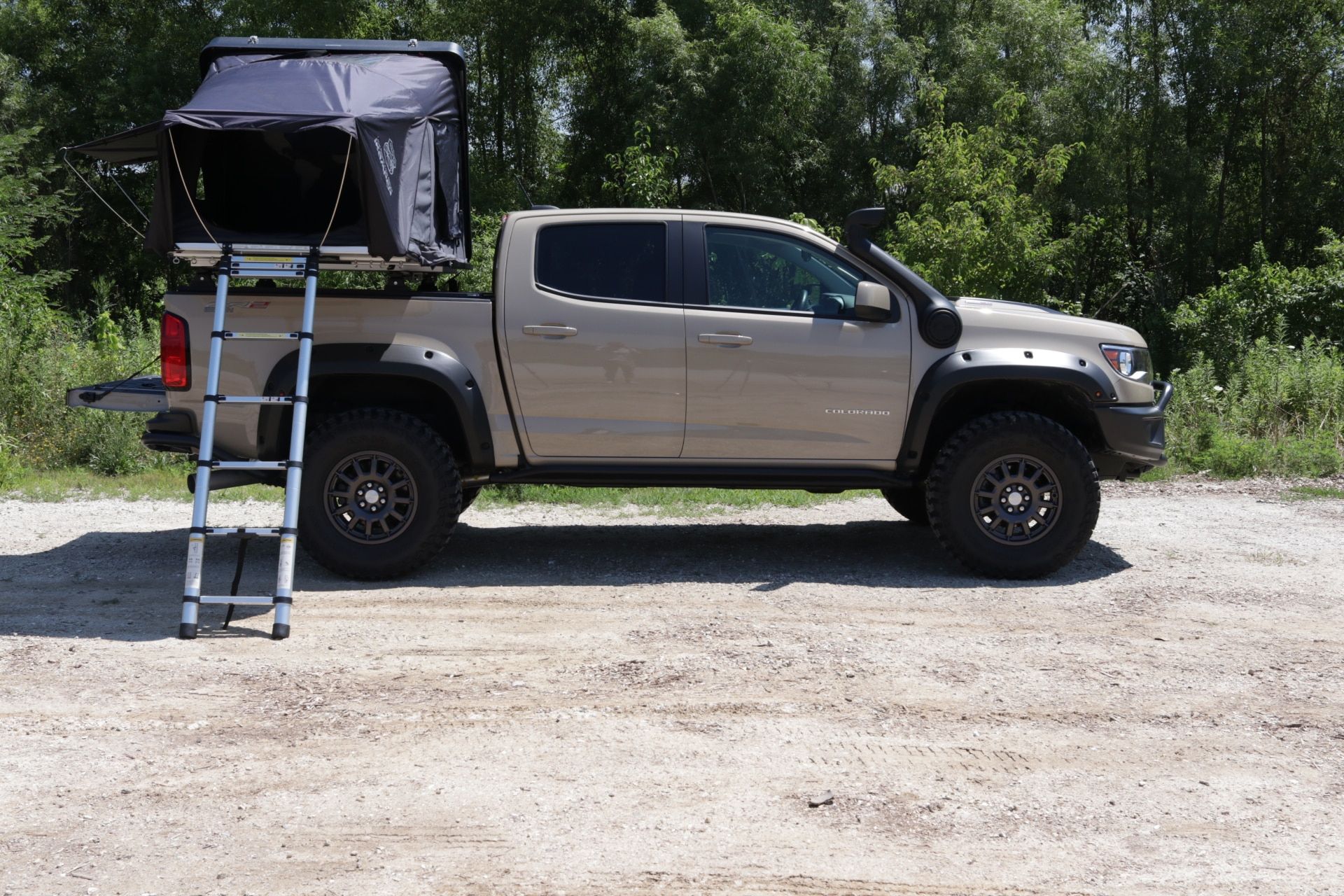
Legitimate shops welcome detailed questions and provide specific answers about their processes, capabilities, and warranty coverage. They understand that informed customers make better decisions and experience better outcomes.
Geographic location matters for ongoing service and warranty work. Shops in the St. Louis area provide convenient access for routine maintenance and any warranty issues that might develop. Local expertise also means familiarity with regional terrain and usage patterns that affect build recommendations.
The consultation process itself reveals shop priorities and expertise. Professional operations take time to understand your specific requirements, explain options clearly, and provide detailed estimates covering all aspects of the work. They discuss timeline expectations and keep you informed throughout the process.
Making the Right Choice for Long-Term Results
Your decision between a specialized offroad shop and general mechanic determines not just immediate installation quality, but long-term vehicle performance, reliability, and total ownership costs. The expertise gap affects every aspect of the modification process from initial consultation through ongoing support.
Specialized shops bring manufacturer-specific knowledge, proper diagnostic equipment, comprehensive warranty coverage, and experience with the unique requirements of offroad modification work. These capabilities translate to installations that perform correctly from day one and continue working reliably over time.
General mechanics may offer lower initial pricing, but the hidden costs of improper installation, limited warranty coverage, and potential rework often exceed any upfront savings. The frustration of dealing with ongoing problems adds additional costs that are difficult to quantify but very real to experience.
For those ready to explore serious offroad capability, understanding what equipment actually enhances your adventures helps prioritize modification investments for maximum benefit.
The choice comes down to whether you want to handle this project once correctly or potentially multiple times with increasing costs and frustration. Professional offroad shops exist specifically to eliminate that uncertainty through proper processes, qualified technicians, and accountability for results.
Schedule a consultation with certified technicians who understand your vehicle platform and can explain exactly how they'll handle your specific modification requirements. Request detailed warranty information and examples of similar builds. The investment in proper installation pays dividends in reliability, performance, and peace of mind.
Frequently Asked Questions
How much more does a specialized offroad shop typically cost compared to a general mechanic?
Initial installation costs at specialized shops typically run 15-25% higher than general mechanics, but this difference is often offset by warranty coverage, proper system integration, and avoiding rework costs. When you factor in the comprehensive warranty and reduced likelihood of problems, the total cost of ownership frequently favors the specialized shop approach.
Can a general mechanic handle simple modifications like leveling kits without issues?
Even basic modifications require vehicle-specific knowledge about torque specifications, alignment requirements, and computer system updates. While some general mechanics can handle simple work correctly, the lack of manufacturer-specific training and diagnostic equipment creates unnecessary risk for any modification work, regardless of complexity.
What should I do if I already had work done at a general shop and I'm experiencing problems?
Have the work inspected by a qualified offroad shop to identify any installation issues or missing integration steps. Many problems can be corrected, though additional costs may be involved depending on what needs to be redone. Document any issues thoroughly as they may be covered under the original shop's warranty, even if that coverage is limited.
What certifications should I look for when choosing an offroad shop?
Look for Master Certified Jeep technicians, Toyota-certified professionals, and ASE-certified specialists depending on your vehicle platform. These certifications indicate factory-level training on manufacturer-specific requirements, proper diagnostic procedures, and integration protocols that general automotive experience doesn't cover.
How long does the warranty coverage last at a specialized offroad shop?
Professional offroad shops typically offer 12-month or 12,000-mile warranties covering both parts and labor, compared to parts-only coverage from general mechanics. This comprehensive warranty includes diagnosing and correcting any performance issues related to the modification work, providing accountability that general shops rarely match.



Recommended Comments
Create an account or sign in to comment