


KEY TAKEAWAYS
- Skip armor, roof racks, and electrical accessories until your foundation is set, otherwise you pay twice when the truck's loaded weight changes its needs.
- A Tacoma is one of the better factory platforms for overlanding, but its stock suspension and rear leaf packs are not built for sustained added weight.
Axleboy in St. Peters builds Tacomas that drive right on Missouri highways during the week and hold up on the trail on the weekend, backed by a 12-month / 12,000-mile warranty on parts and labor.
A Tacoma overlanding build is the process of adding suspension, tires, protection, sleeping and storage gear, and power systems to a Toyota Tacoma so it can carry weight, clear obstacles, and travel remote terrain without giving up its daily drivability. The hard part is not picking parts. The hard part is picking them in the right order so each upgrade supports the next instead of fighting it. Before you spend a dollar, it helps to understand how ride height changes the truck, which is why we usually point owners to our breakdown of suspension lift vs body lift vs leveling kit so the first decision is made with the full picture.
This guide is for the owner who has already done the research and is now trying to sequence the build correctly. We will cover what the Tacoma does well from the factory, where it falls short, and the order that protects your money and your truck.
Tacoma Strengths and Limits From the Factory
The Tacoma earns its overlanding reputation for good reasons: a proven drivetrain, real low-range gearing, solid aftermarket support, and a body-on-frame design that takes abuse. For a stock truck, it handles light trails and gravel forest roads better than most things in its class.
The limits show up the moment you add weight. The factory rear leaf springs are tuned for an empty bed, so a loaded camp setup causes sag, a nose-high stance, and harsh impacts over washboard. The stock tires are sized for pavement, not for sidewall strength on sharp rock. And the front end has limited travel before you start clipping bump stops on uneven terrain.
None of this makes the Tacoma a bad choice. It makes it a platform that rewards a planned build and punishes a random one. The trucks that disappoint their owners are almost always the ones that got parts in the wrong order.
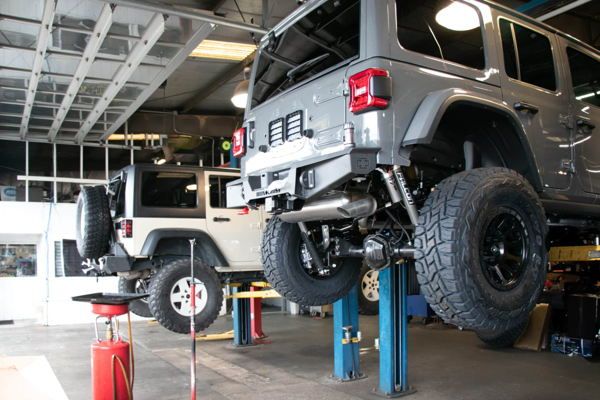
Suspension and Tire Sizing for On-Road and Off-Road Balance
Suspension and tires come first because they set the weight capacity, ride height, and clearance that every later decision depends on. Bolt a heavy bumper and a rooftop tent onto stock springs and you have a truck that sags in the rear, dives in corners, and beats you up on the interstate.
The right approach starts with how you actually use the truck. A Tacoma that commutes 200 highway miles a week and camps two weekends a month needs a suspension tuned for that real load, not for a magazine photo. That usually means a progressive or load-rated rear spring pack matched to the gear you carry, and front coilovers valved for the added front weight of a winch or bumper if those are in the plan.
Tire sizing is the partner decision. Going too large too fast slows acceleration, hurts braking, and throws off your speedometer and fuel economy on the daily drive. A moderate increase in tire size with a stronger sidewall gives you clearance and puncture resistance on the trail while keeping the truck honest on the road. The goal is a truck that feels planted at 70 mph on I-70 and confident on a rutted climb, not one that compromises both. If you want a fuller look at how we think about purpose-built rigs, our approach to overlanding builds walks through the philosophy in more detail.
Armor and Skid Plate Priorities
Armor protects the parts of the Tacoma that end a trip when they fail, so the priority order follows vulnerability, not appearance. The first real protection most overlanding Tacomas need is a set of skid plates covering the engine, transmission, and transfer case. These are the components that sit low and take direct hits from rocks on the trail.
Sliders come next. Rock sliders mount to the frame and protect the rocker panels and cab corners, which are expensive to repair and easy to crush on an off-camber obstacle. Good sliders also give you a recovery and jacking point, which matters when you are miles from pavement.
Bumpers come later and only if your use case calls for them. A steel front bumper adds approach angle and a winch mount, but it also adds significant front weight that changes how your suspension behaves. That is exactly why armor follows suspension in the sequence: the bumper you choose affects the springs and coilovers you already paid for. Add it out of order and you are revisiting the front end twice.
Roof Rack and Tent Fitment
A roof rack and rooftop tent add the highest weight in the worst place – up high, where it raises the truck's center of gravity and changes how it handles. That is why fitment and planning matter more here than almost anywhere else on the build.
The weight question splits into two numbers. Static load is what the rack holds while parked, including a tent and two sleeping people. Dynamic load is what it can carry while driving, which is far lower. A rooftop tent that weighs 130 pounds is well within static limits but demands a rack and crossbar setup rated for the dynamic load of a fully outfitted Tacoma on a washboard road.
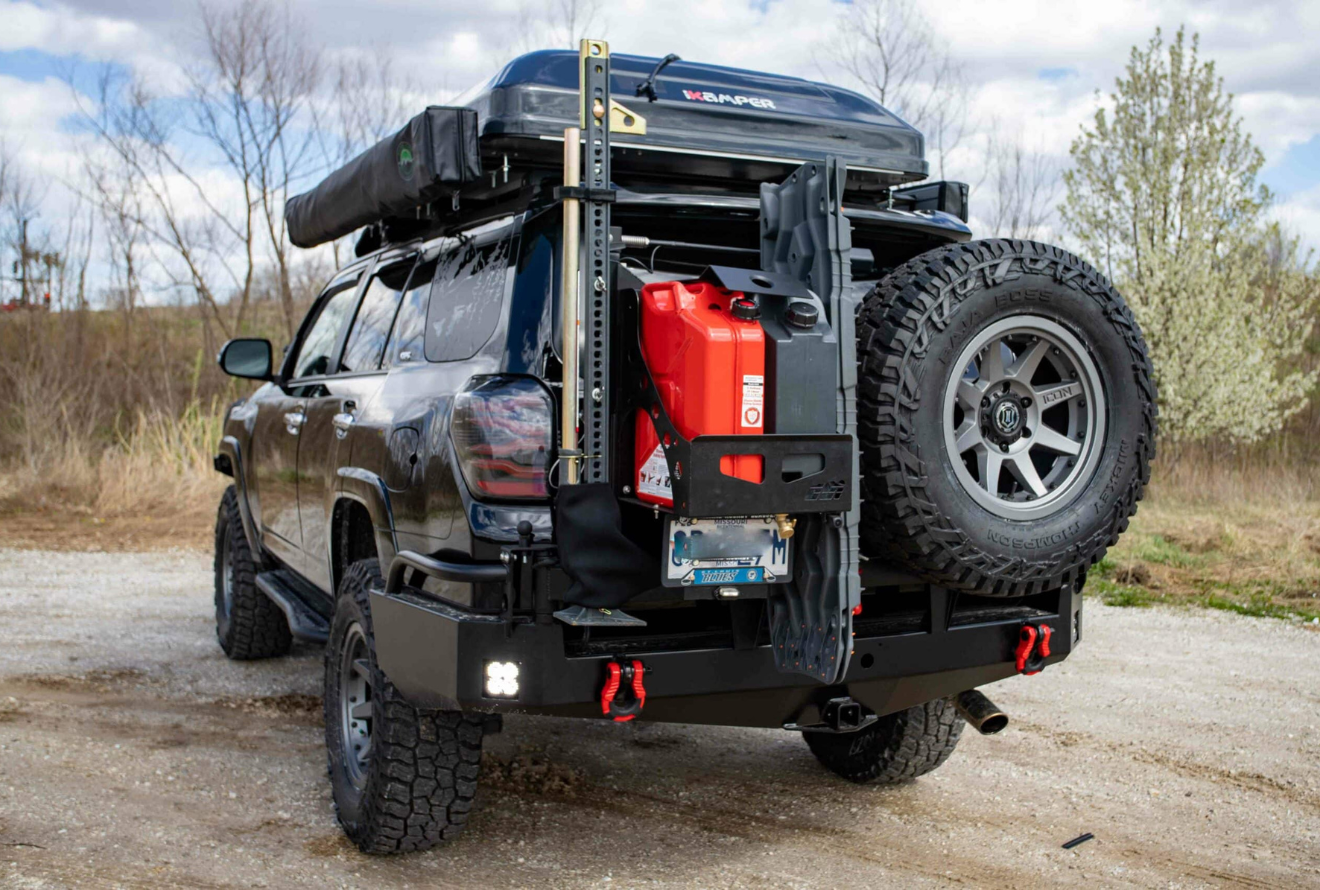
Cab height also changes once the tent is mounted. We have seen owners forget about garage clearance and drive-through height until the first time it matters. Planning the rack around your real routes and storage keeps the truck usable, not just capable.
AXLEBOY EXPERTISE: Toyota-Certified Technicians On Staff
Axleboy is staffed by Toyota-certified technicians along with Master Certified Jeep technicians and ASE-certified professionals. That matters on a Tacoma build because factory training means the people working on your truck understand its drivetrain, electronics, and tolerances the way Toyota engineered them. We use dealer-level diagnostics in-house, so a build never leaves the shop with a check-engine light or a calibration problem you discover later on the highway. The standard is simple: it leaves right or it doesn't leave.
Electrical and Accessory Sequencing
Electrical comes last because it should be sized around the gear you have actually committed to, not the gear you think you might add. A dual-battery or auxiliary power system, a fridge, lighting, and an air compressor all draw from a power budget that only makes sense once your build is otherwise finished.
Sequencing the wiring last also means it gets installed once, cleanly, with proper fusing and a layout that a technician can service later. Accessories added piecemeal over a year tend to leave a tangle of taps and splices behind the dash that cause intermittent faults nobody can trace. Doing it as a planned stage prevents that.
The recommended order for a Tacoma overlanding build
- Suspension matched to your real loaded weight and driving mix
- Tires and wheels sized for clearance without wrecking daily manners
- Skid plates for the engine, transmission, and transfer case
- Rock sliders for rocker and cab protection plus recovery points
- Re-gearing if larger tires hurt power and shift quality, done front and rear
- Front bumper and winch only if your terrain and recovery needs justify the weight
- Roof rack and rooftop tent planned around static and dynamic load limits
- Electrical, auxiliary power, fridge, lighting, and compressor installed as a final integrated stage
Common Tacoma build mistakes we see most often
- Buying oversized tires before addressing gearing, which kills acceleration and shift quality
- Adding a heavy front bumper before suspension, then re-doing the front end to handle the weight
- Mounting a rooftop tent on a rack rated only for static load, ignoring dynamic limits
- Stacking accessories on stock rear leaf springs until the truck sags and rides harsh
- Wiring accessories one at a time, creating electrical gremlins that are hard to diagnose
- Chasing trail capability while ignoring how the truck will drive on the daily commute
Stock vs Purpose-Built: Two Real Outcomes
Picture two Tacomas leaving for the same trip across the Ozarks. The first is mostly stock with a quick tire upgrade and a tent strapped on top. By the second hour on the highway the rear sags under camp weight, the steering feels light, and every expansion joint sends a jolt through the cab. On the trail it scrapes its undercarriage on the first ledge because nothing protects the transfer case.
The second Tacoma was built in sequence: load-rated suspension, properly sized tires, skid plates, sliders, re-geared axles, and a rack matched to its real load. It tracks straight at highway speed, soaks up the washboard, clears obstacles without contact, and the owner sleeps up top knowing the rack and power system were planned together. Same truck from the factory. Completely different trip, because the order was right.
Build It Once, Build It Right
The cost of sequencing a build wrong is not just money. It is the front end you pay for twice, the tires you replace early, and the trip cut short by something that should have been protected. Doing it in the right order the first time is the cheaper path, even though it requires patience up front.
Axleboy builds Tacomas through The Purpose-Built Path: a custom strategy based on how you actually drive, a factory-spec build performed in-house by certified technicians, and a guarantee that stands behind it. Every build is covered by the area's only 12-month / 12,000-mile warranty on both performance parts and labor, which is the structural commitment that lets us say a truck leaves right or it doesn't leave. If you are planning a Tacoma overlanding build and want it sequenced correctly from the start, request a quote and tell us how you use your truck on the road and on the trail. We will build the plan around that.
Frequently Asked Questions
What should I modify first on a Tacoma overlanding build?
Start with suspension and tires. These set the weight capacity, ride height, and clearance that every later upgrade depends on. A suspension matched to how your truck is actually loaded keeps it from sagging in the rear and diving in corners, while properly sized tires add clearance and puncture resistance without wrecking daily drivability. Once that foundation is set, the right order moves to skid plates, then rock sliders, re-gearing if larger tires hurt power, a front bumper and winch only if your terrain calls for it, then a roof rack and tent, and finally the electrical and accessory systems. Building in this sequence means each upgrade supports the next instead of forcing you to redo work and pay twice.
What should I skip or wait on when building a Tacoma for overlanding?
Hold off on armor, roof racks, rooftop tents, and electrical accessories until your suspension and tires are sorted. A heavy front bumper added before suspension changes how the front end behaves and often forces you to revisit the coilovers you already paid for. A rooftop tent mounted on stock rear springs leaves the truck sagging and riding harsh. And wiring accessories one at a time tends to leave a tangle behind the dash that causes intermittent faults nobody can trace. None of these are bad upgrades. They just belong later in the sequence so they are sized around a truck that is already set up to carry weight.
Will an overlanding build hurt how my Tacoma drives on the highway?
It should not, and that is the whole point of how we build. Every Tacoma we build has to perform on Missouri highways during the week and on the trail on the weekend. That means suspension valved for your real loaded weight, tire sizing that keeps the truck honest on the road, and re-gearing when larger tires hurt acceleration and shift quality. A build that only chases trail capability and ignores the daily commute is a build done wrong. The goal is a truck that feels planted at 70 mph on I-70 and confident on a rutted climb, not one that compromises both.
How long does a Tacoma overlanding build take and is it backed by a warranty?
Timeline depends on scope. Common upgrades like leveling kits and standard lift installs generally take 4 to 8 hours of labor once the truck is in the bay. Comprehensive overlanding builds that include armor, re-gearing, racks, and electrical typically take one to two weeks depending on part availability and how custom the build is. Every build is covered by the area's only 12-month / 12,000-mile warranty on both performance parts and labor, including re-gearing on the front and rear axles. That warranty is the structural commitment behind our standard: it leaves right or it doesn't leave.
Who actually works on my Tacoma at Axleboy?
All work is performed in-house by factory-trained mechanics, including Toyota-certified technicians, Master Certified Jeep technicians, and ASE-certified professionals, with the shop led by Scott Carline, who has over 30 years of automotive and team management experience. On a Tacoma that matters because factory training means the people building your truck understand its drivetrain, electronics, and tolerances the way Toyota engineered them. We use dealer-level diagnostics in-house, so a build does not leave with a check-engine light or a calibration issue you discover later on the highway.



Recommended Comments
Create an account or sign in to comment